Vision Foundation Discusses Steps to Regulate Employment Centers
16 July 2026
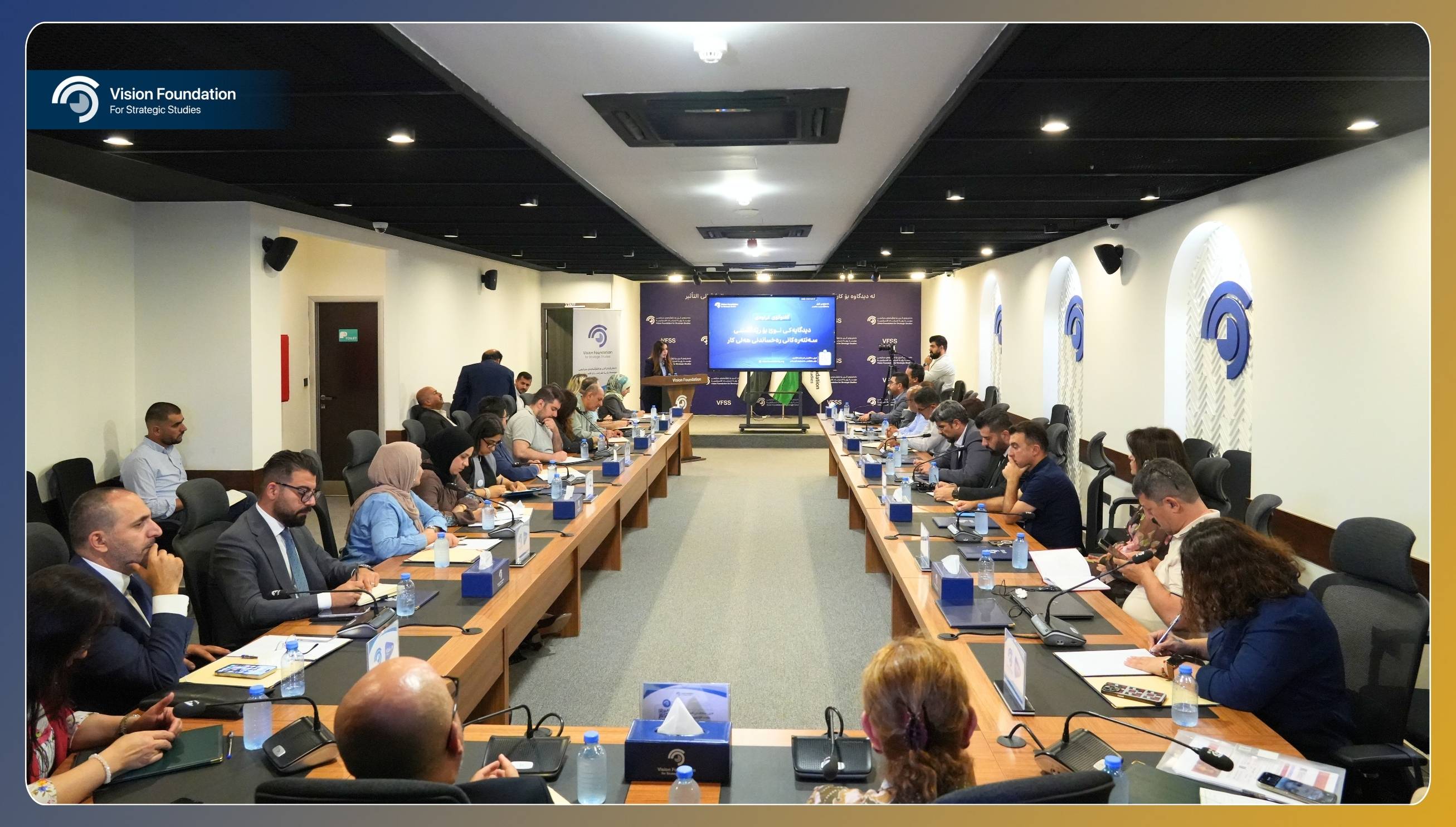
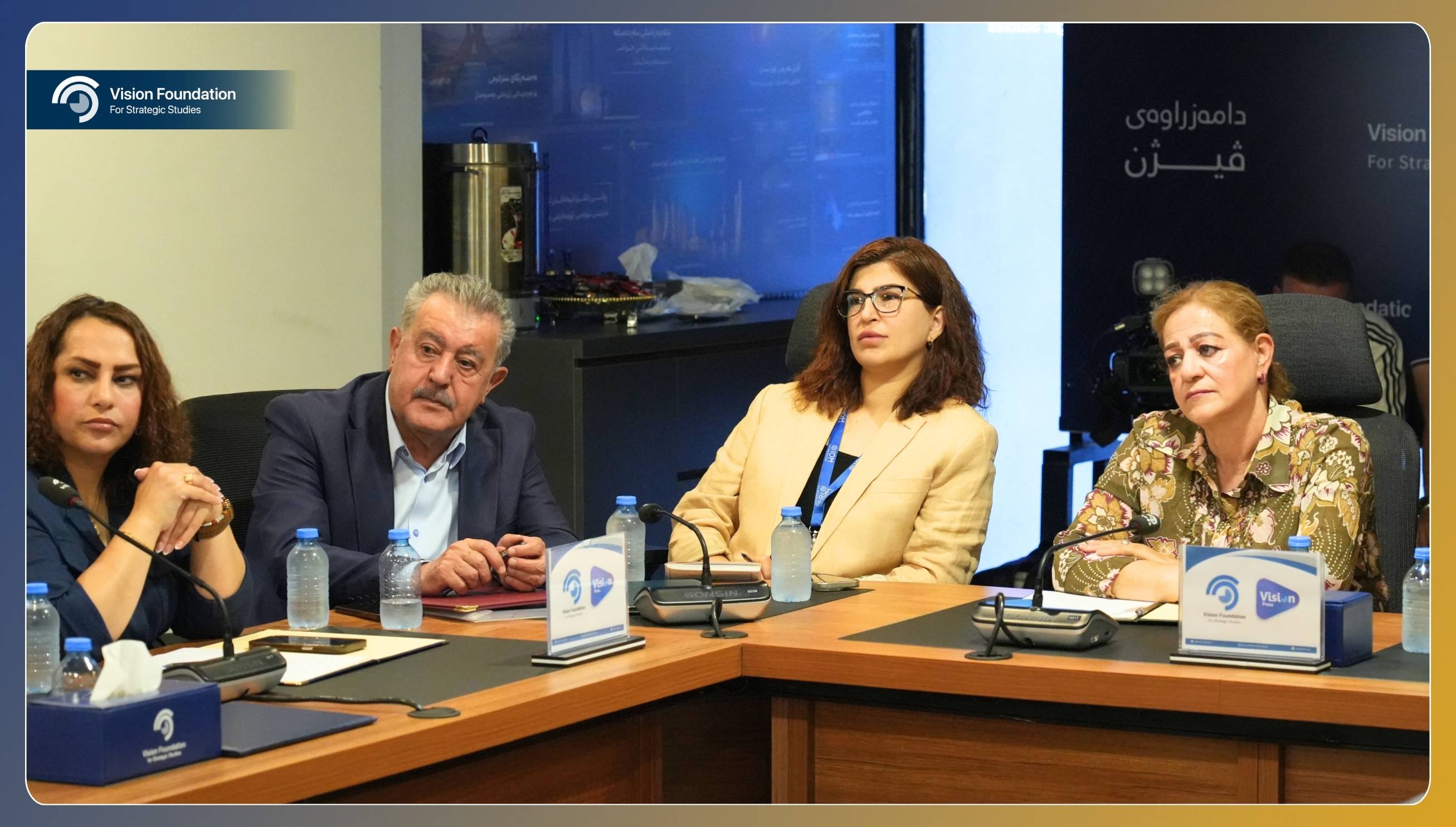
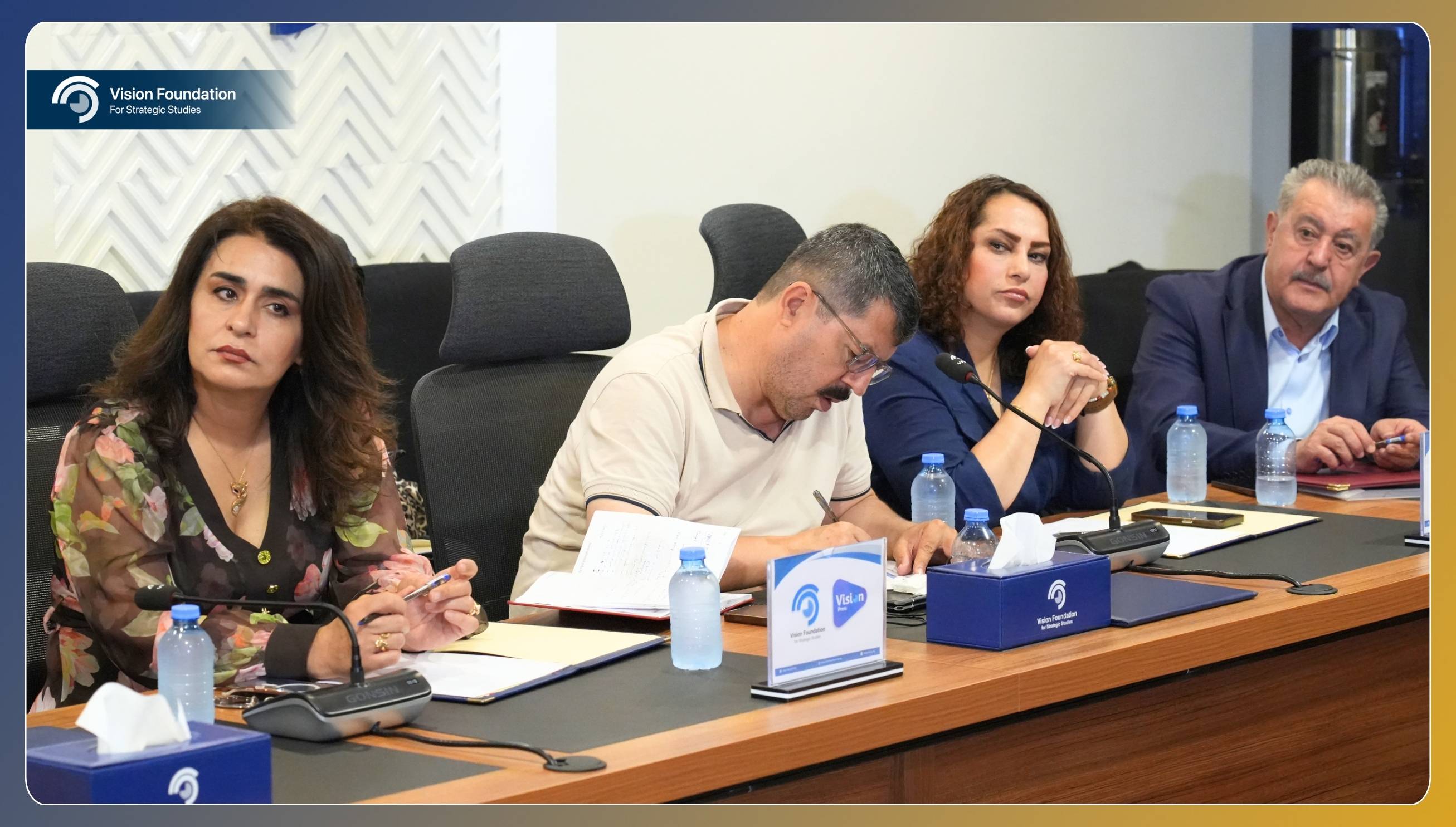
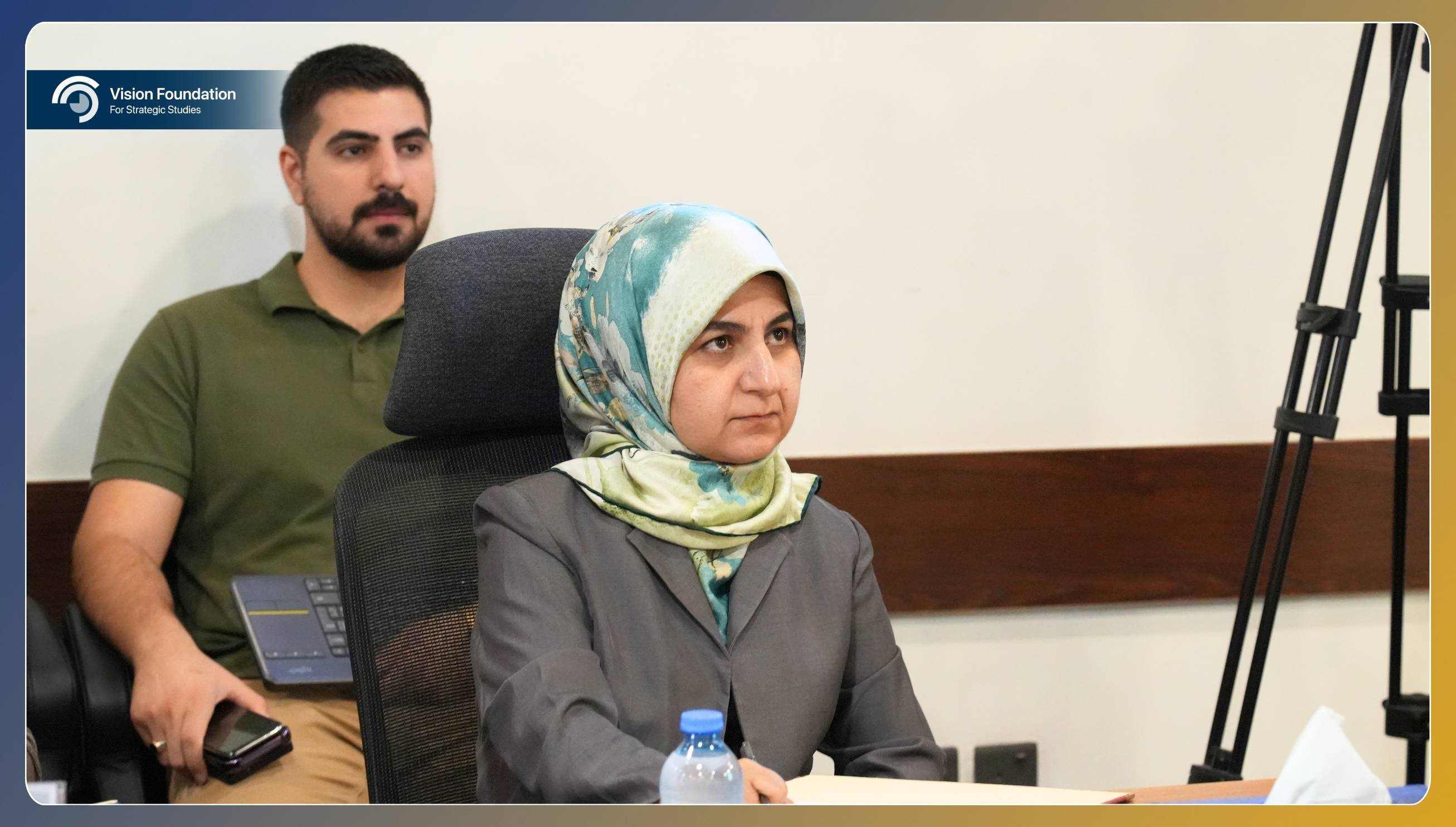
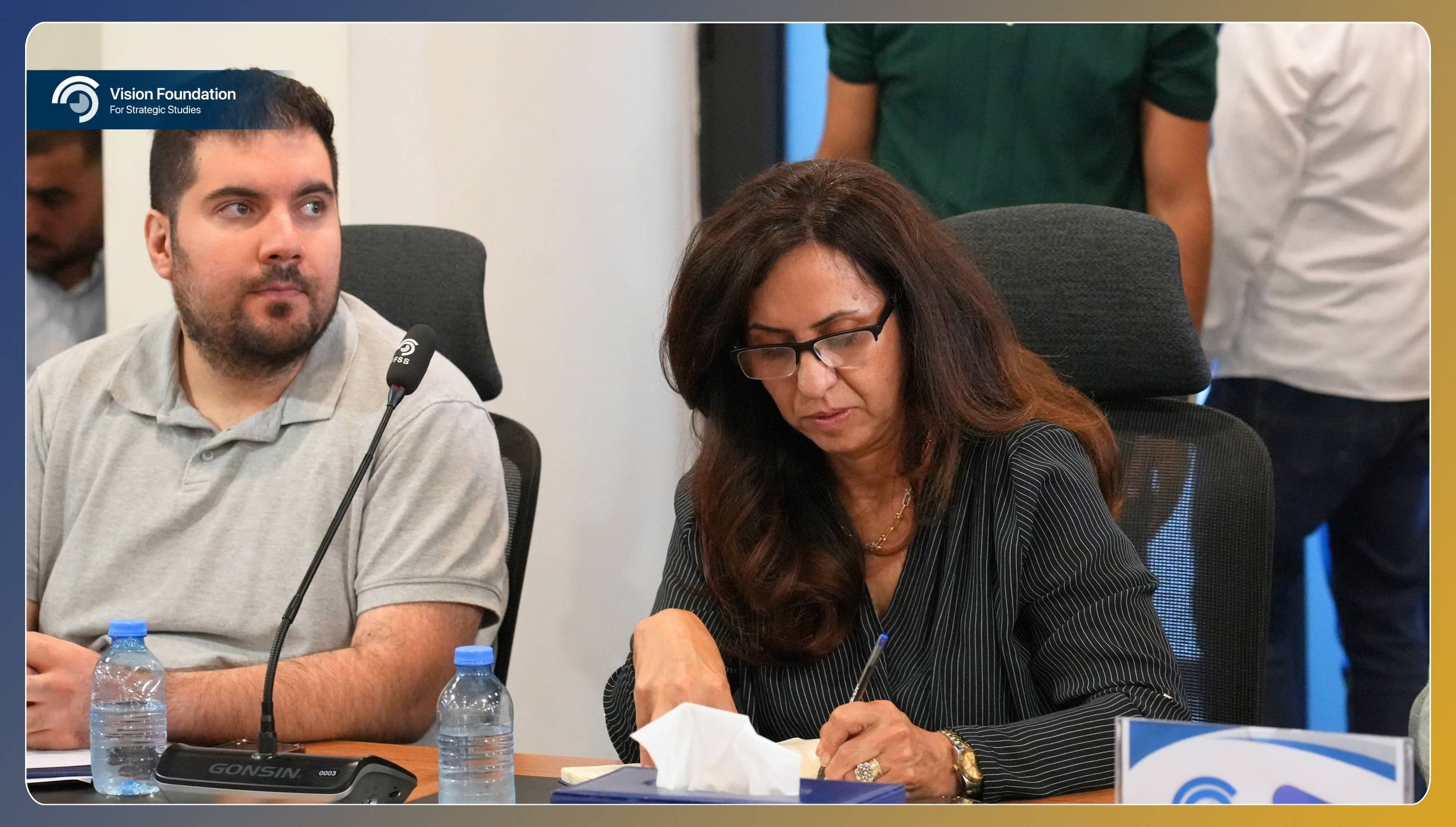
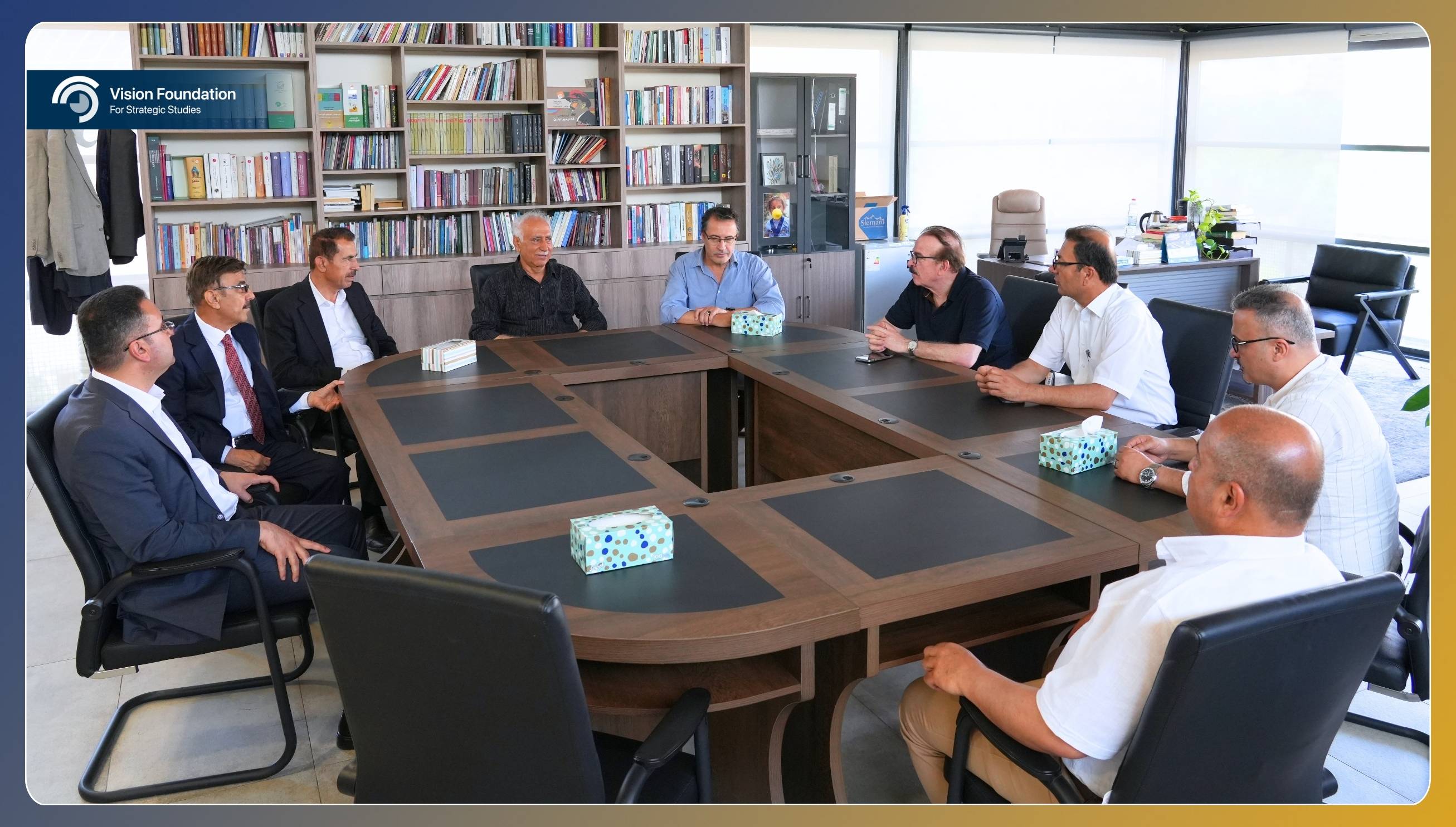
Vision Foundation for Strategic Studies organized an open dialogue on regulating and developing employment centers, with the aim of proposing practical solutions to unemployment and strengthening the connection between job seekers and the labor market.
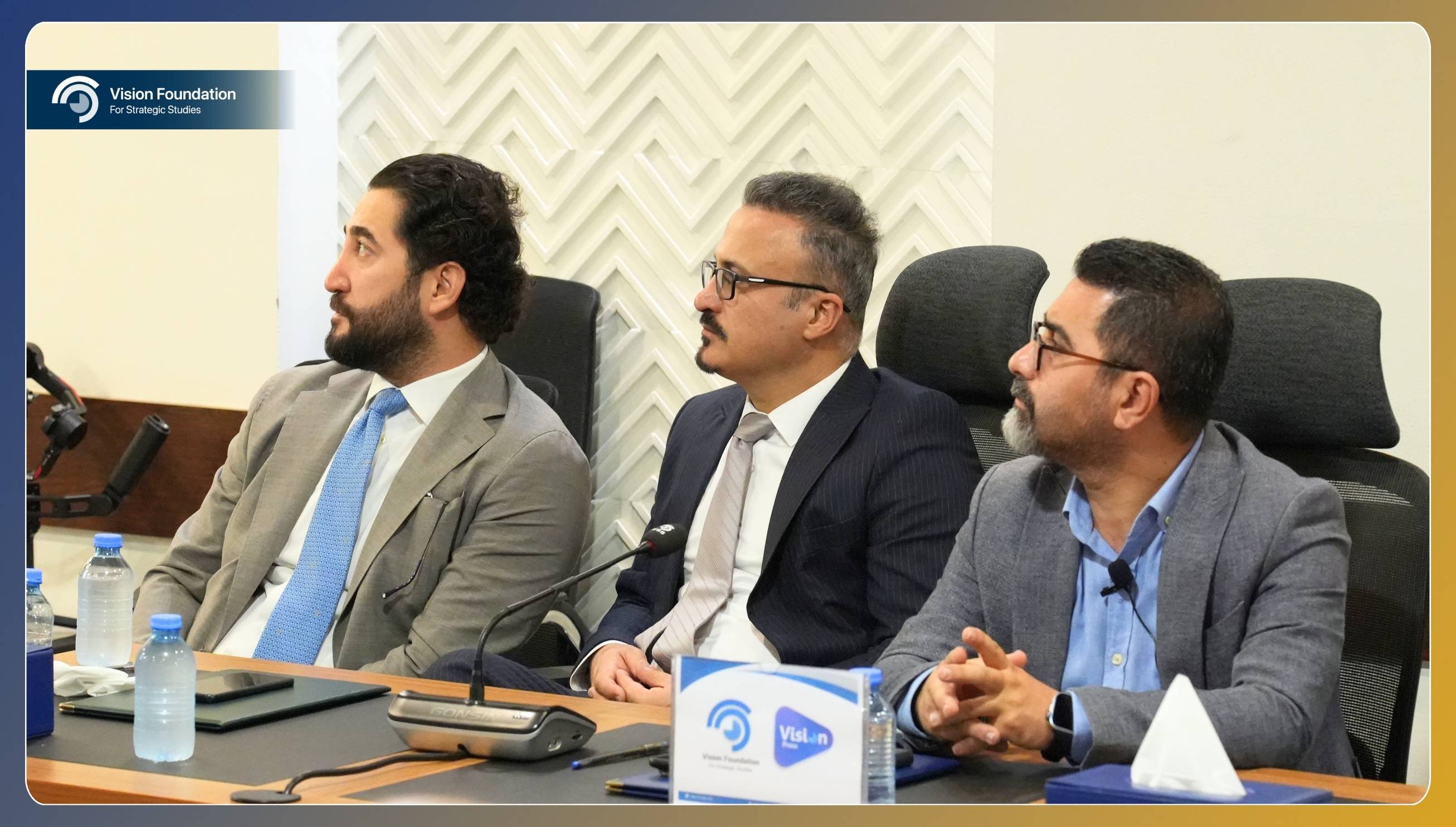
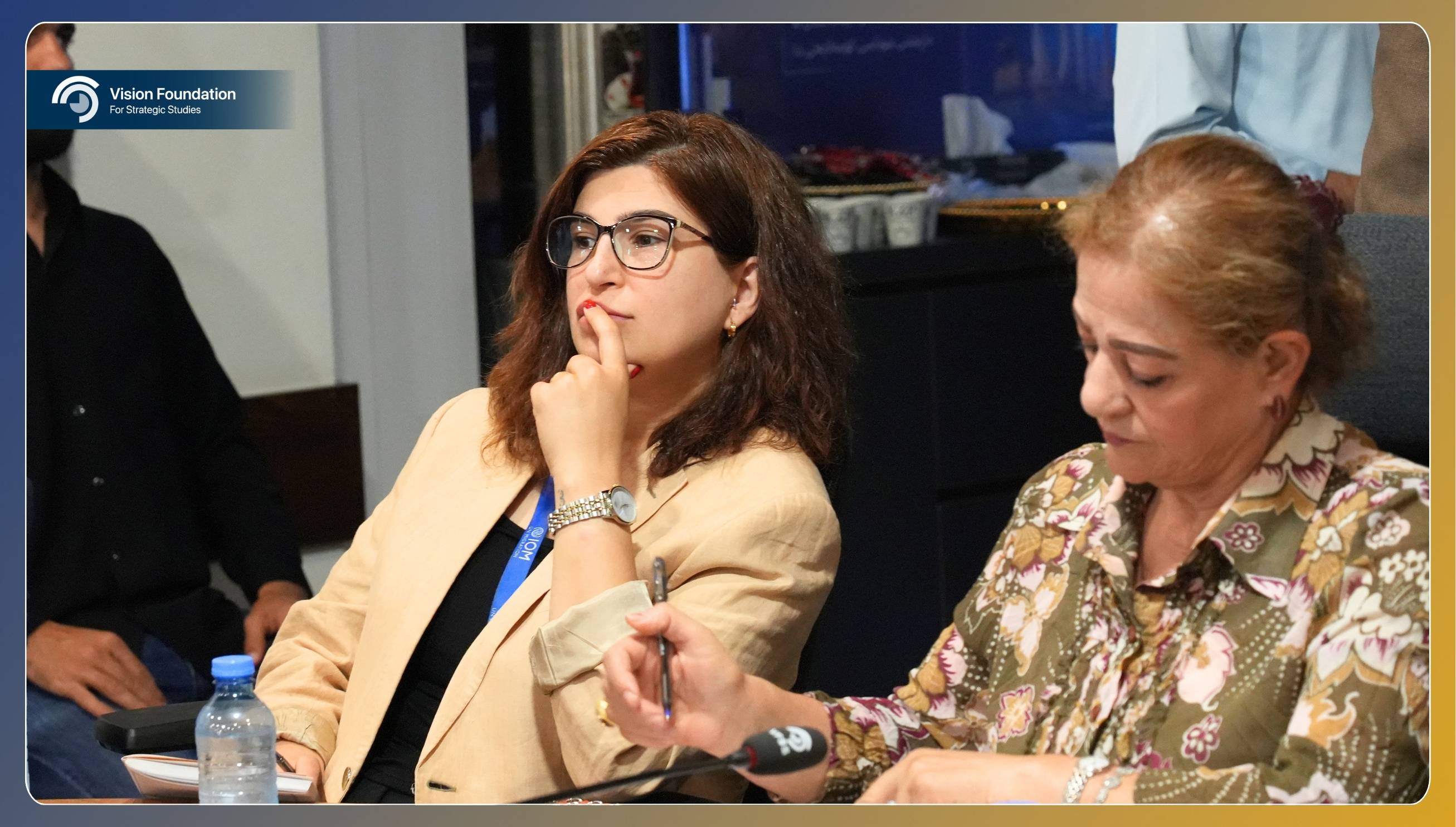
The discussion brought together experts, business owners, academics, economists, and labor-market specialists to examine the role, responsibilities, working mechanisms, and capacity of employment centers to create opportunities for young people and align job seekers’ skills with market needs.
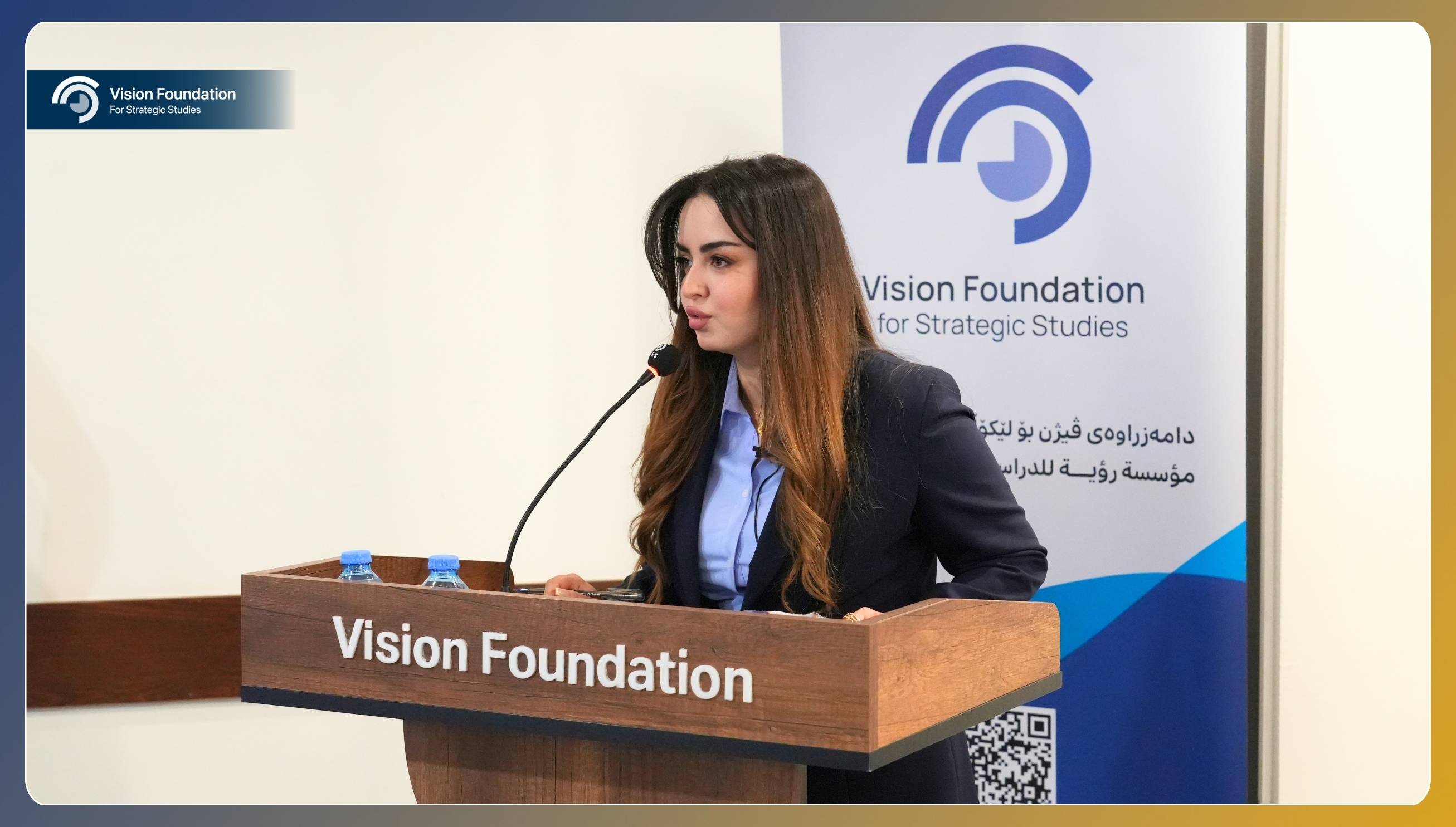
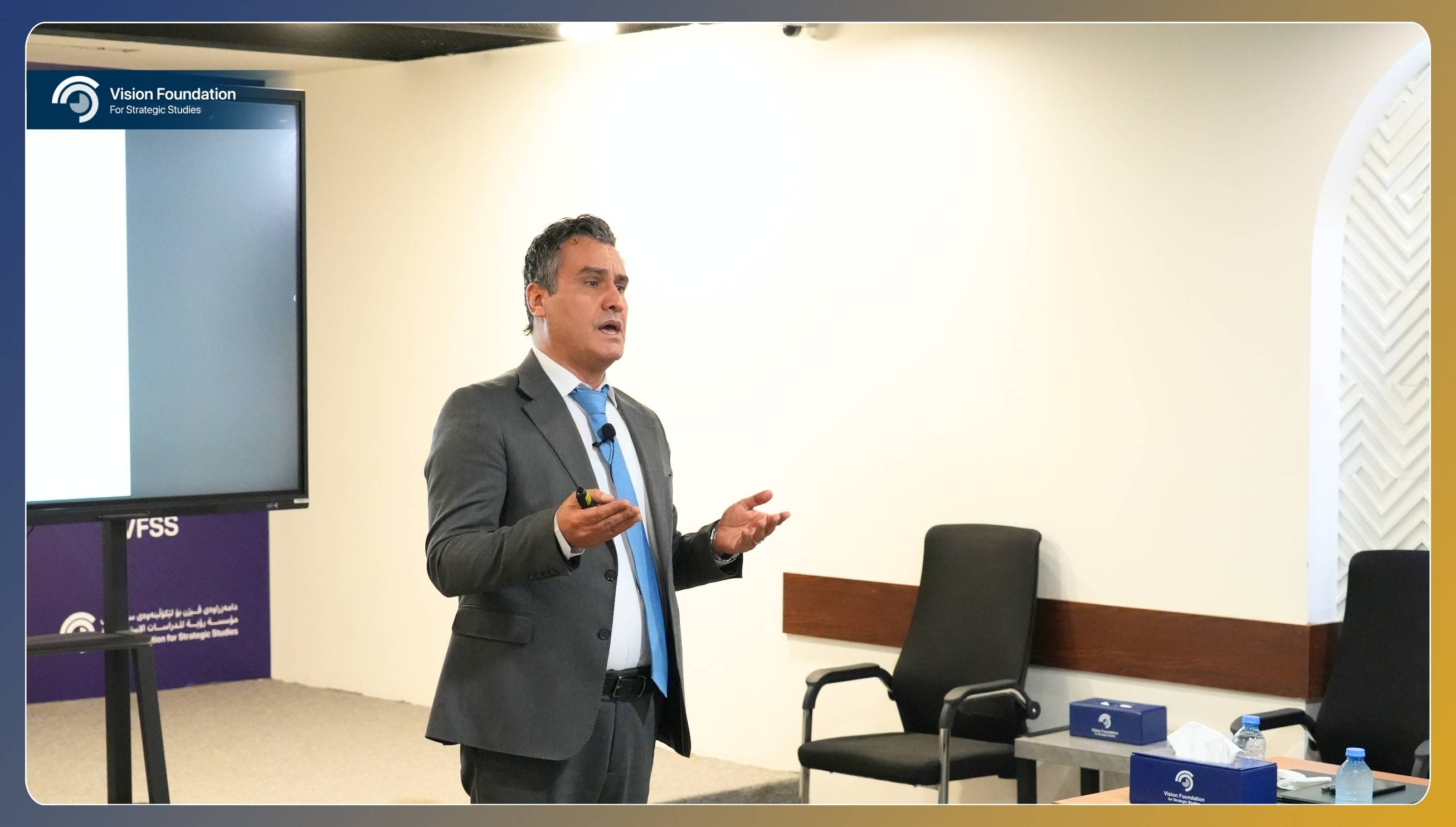
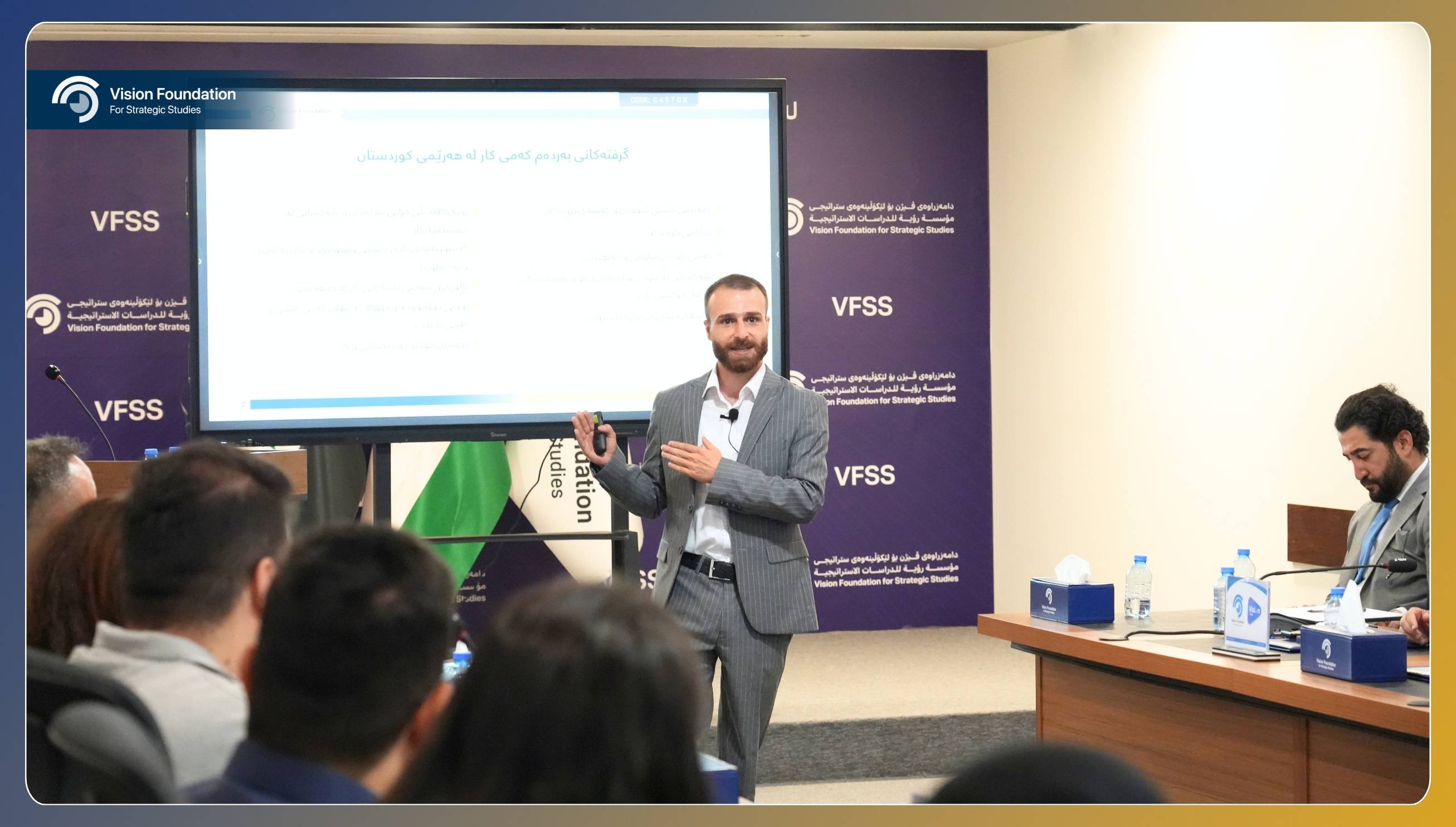
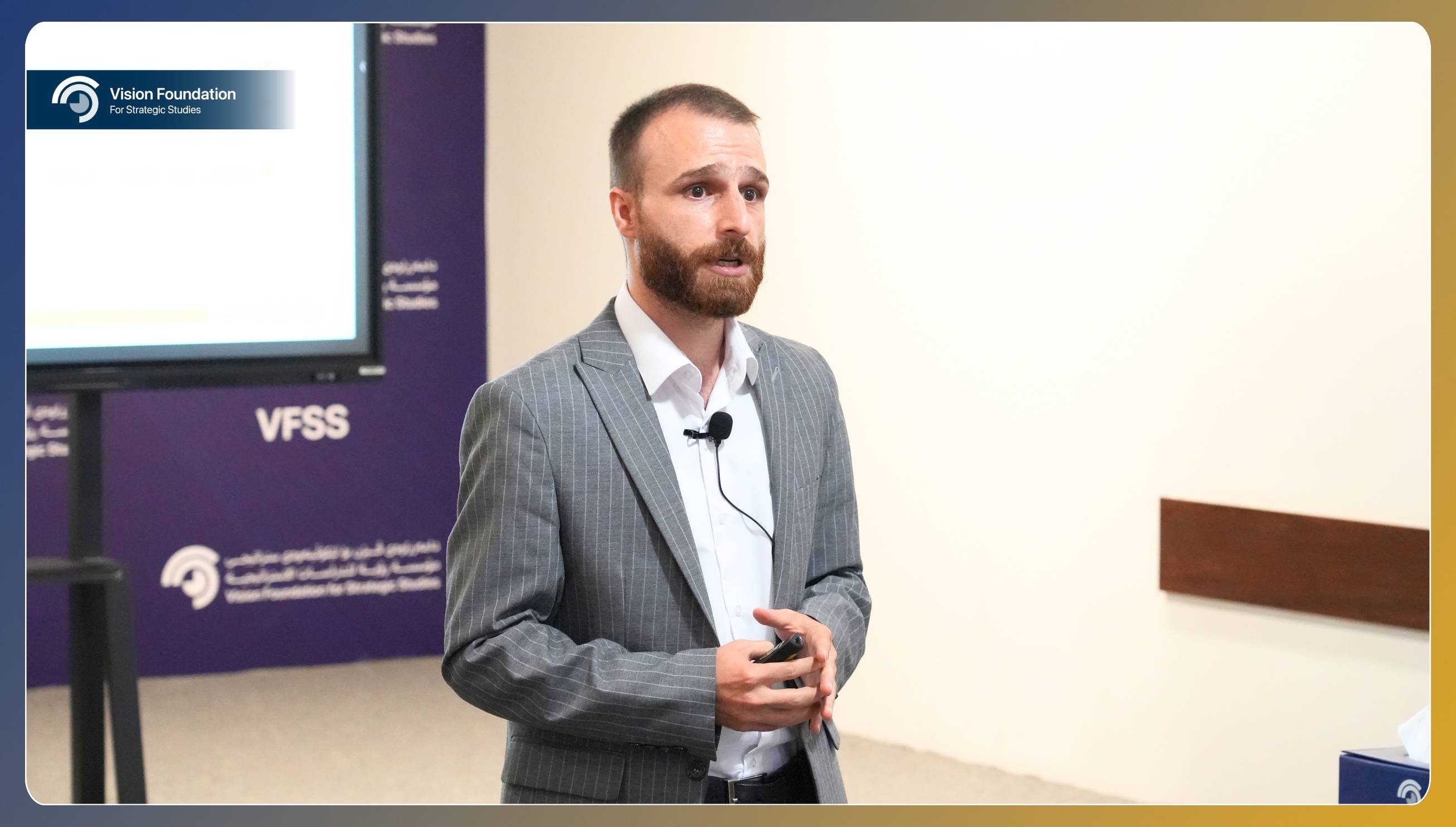
Hogr Ali, Adviser to the Ministry of Labor and Social Affairs, delivered a seminar reviewing the experiences and mechanisms used to regulate employment centers in several European countries and the United States. He emphasized that the private sector is the main driver of the country’s economy and must be regulated through effective legal and institutional frameworks.
He also stressed the need for the government to establish an efficient employment system and center capable of collecting labor-market data, identifying the needs of institutions, and connecting job seekers with suitable opportunities.
In another session, Hemen Nouri, Head of Job Center, highlighted the main barriers facing employment and job creation in the private sector.
Nouri noted that complex regulations governing the private sector have limited its capacity to generate new jobs and have made the recruitment process more difficult for job seekers.
He also addressed the issue of some citizens working simultaneously in both the public and private sectors, stating that properly regulating this matter could create more opportunities for unemployed people and help reduce unemployment rates in the Kurdistan Region.
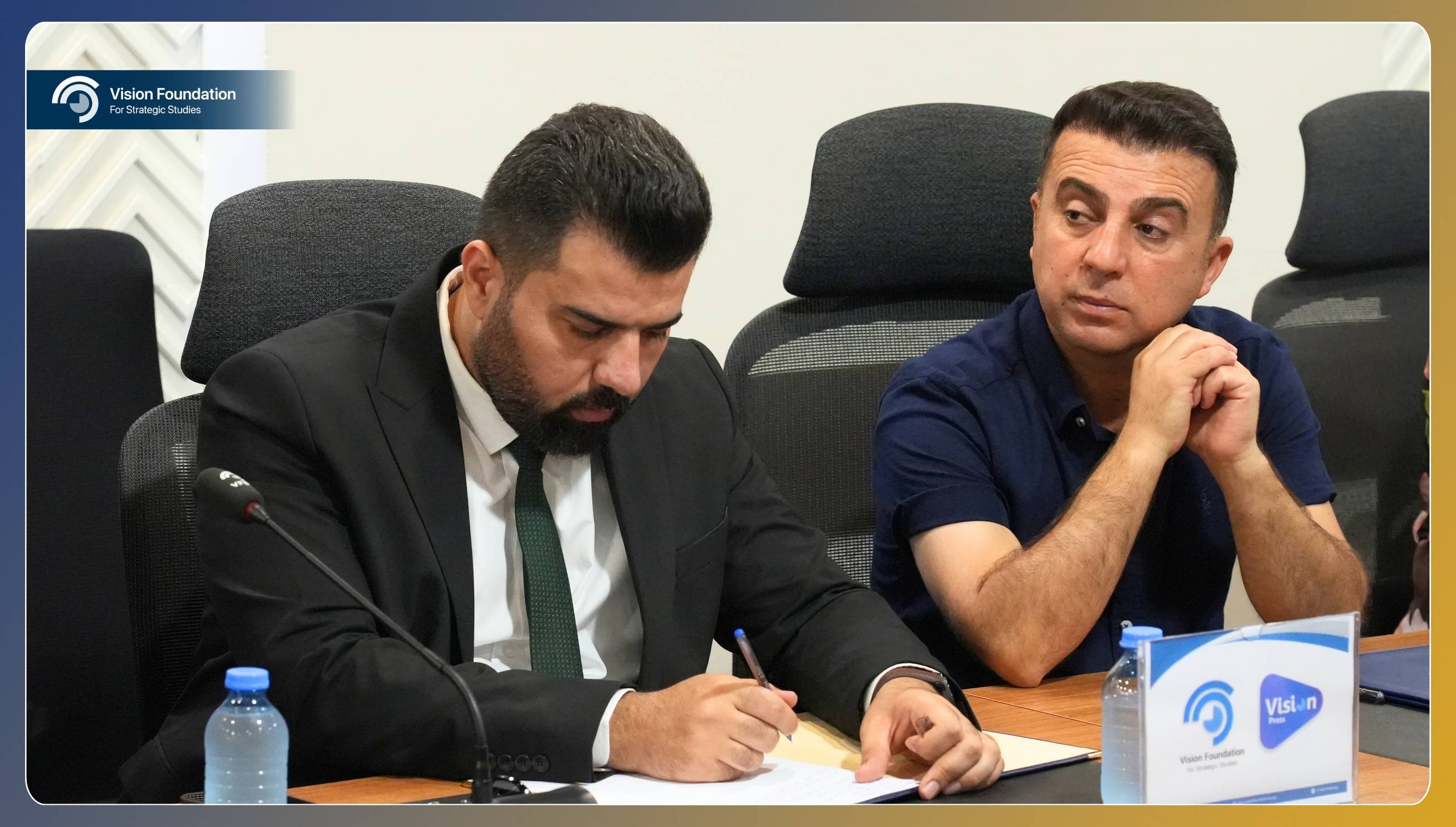
At the conclusion of the dialogue, participants presented their views and recommendations on the challenges facing employment centers and proposed several practical measures to strengthen their role and improve recruitment mechanisms.



260727063443.jpg)
260727054831.jpg)
260722075704.jpg)
Share