The Neutrality of Iraq and the Kurdistan Region in U.S.–Israeli War Against Iran Is Questionable
12 March 2026
The geographical location of Iraq and the Kurdistan Region, the absence of full sovereignty over their airspace, territory, and decision-making, as well as the weakness of the military capabilities of both Iraq and the Kurdistan Region, have imposed a situation that makes it difficult for them to choose neutrality or avoid becoming part of a potential war between the United States and Israel on one side and Iran on the other.
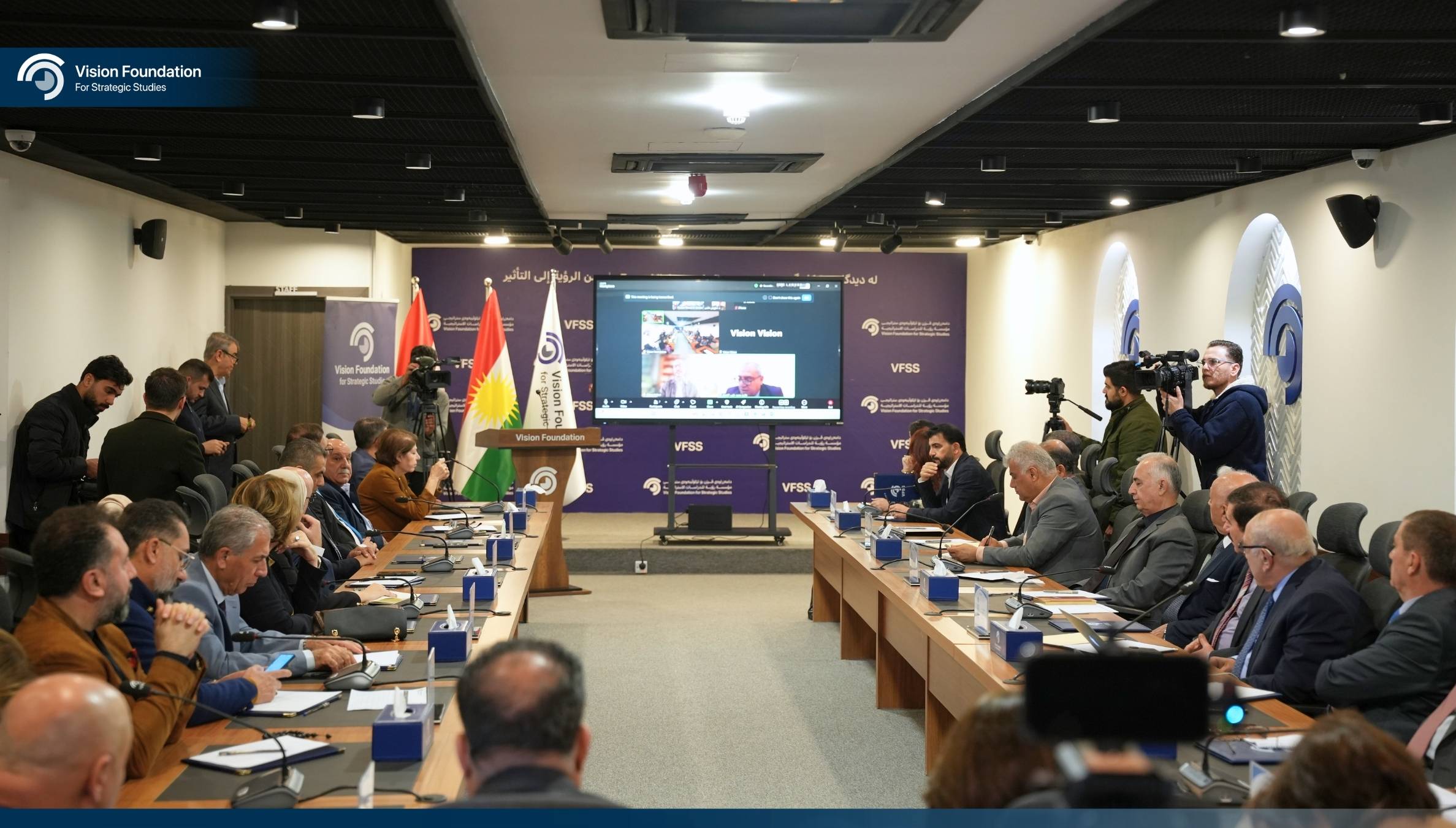
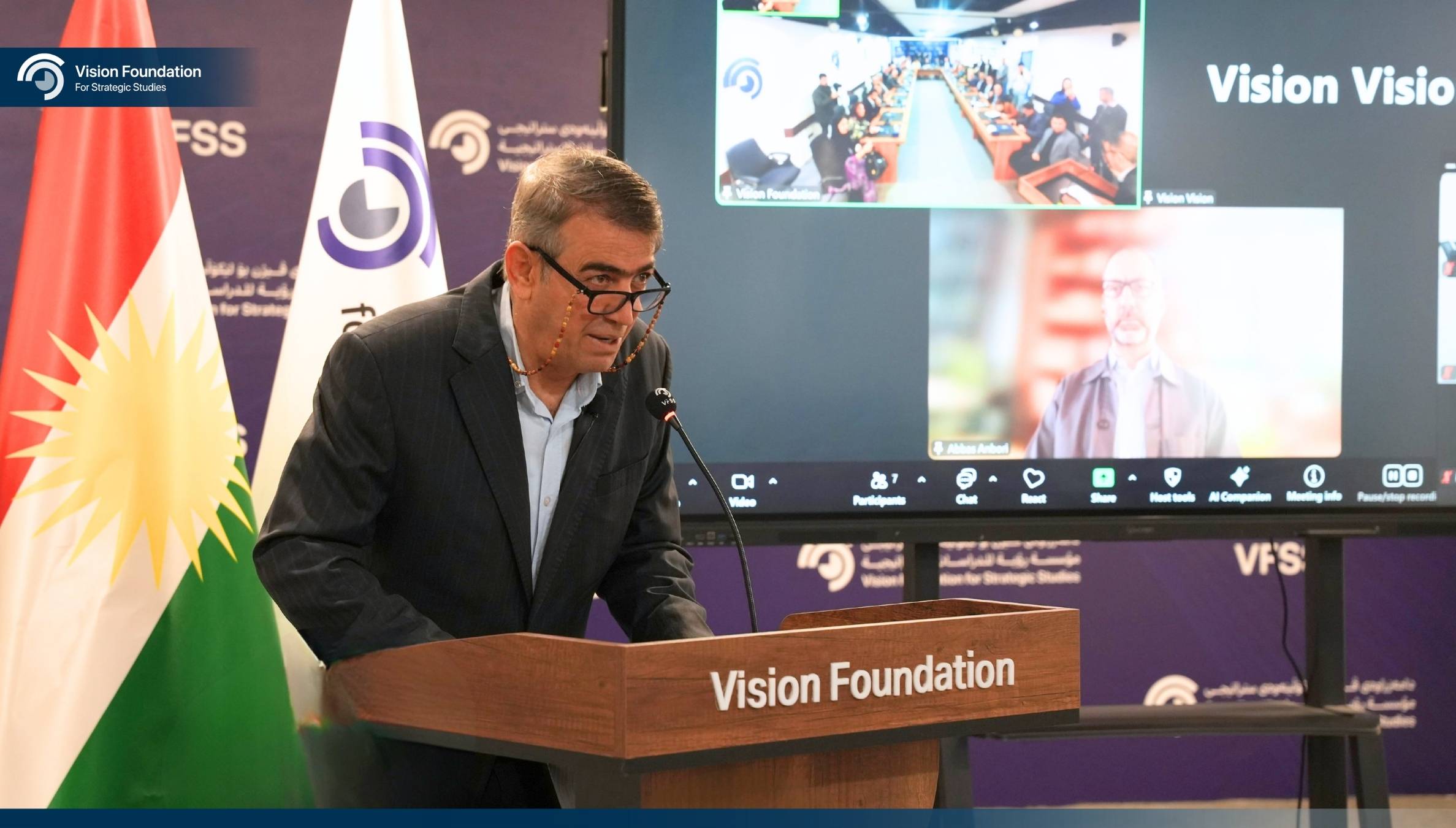
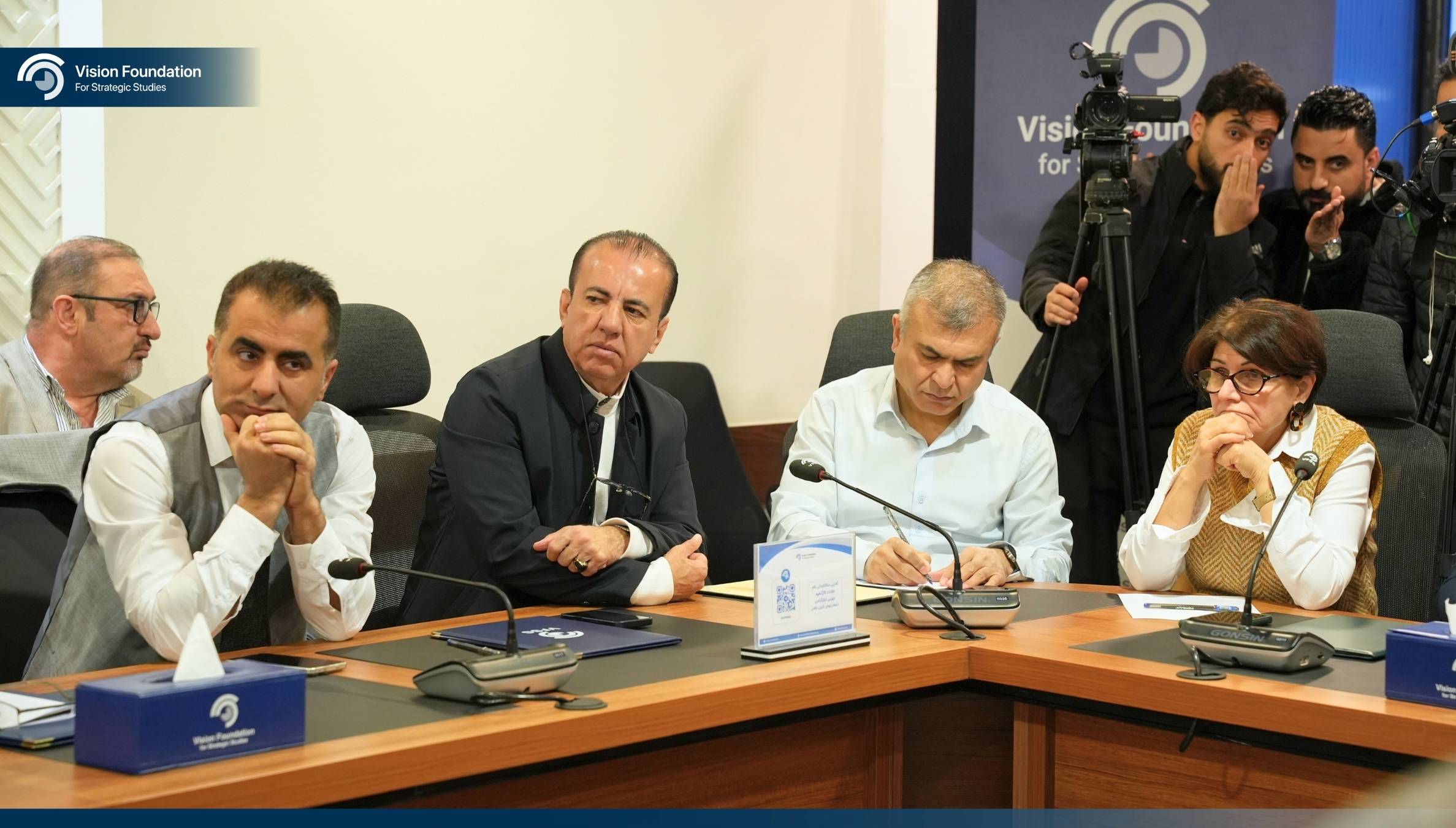
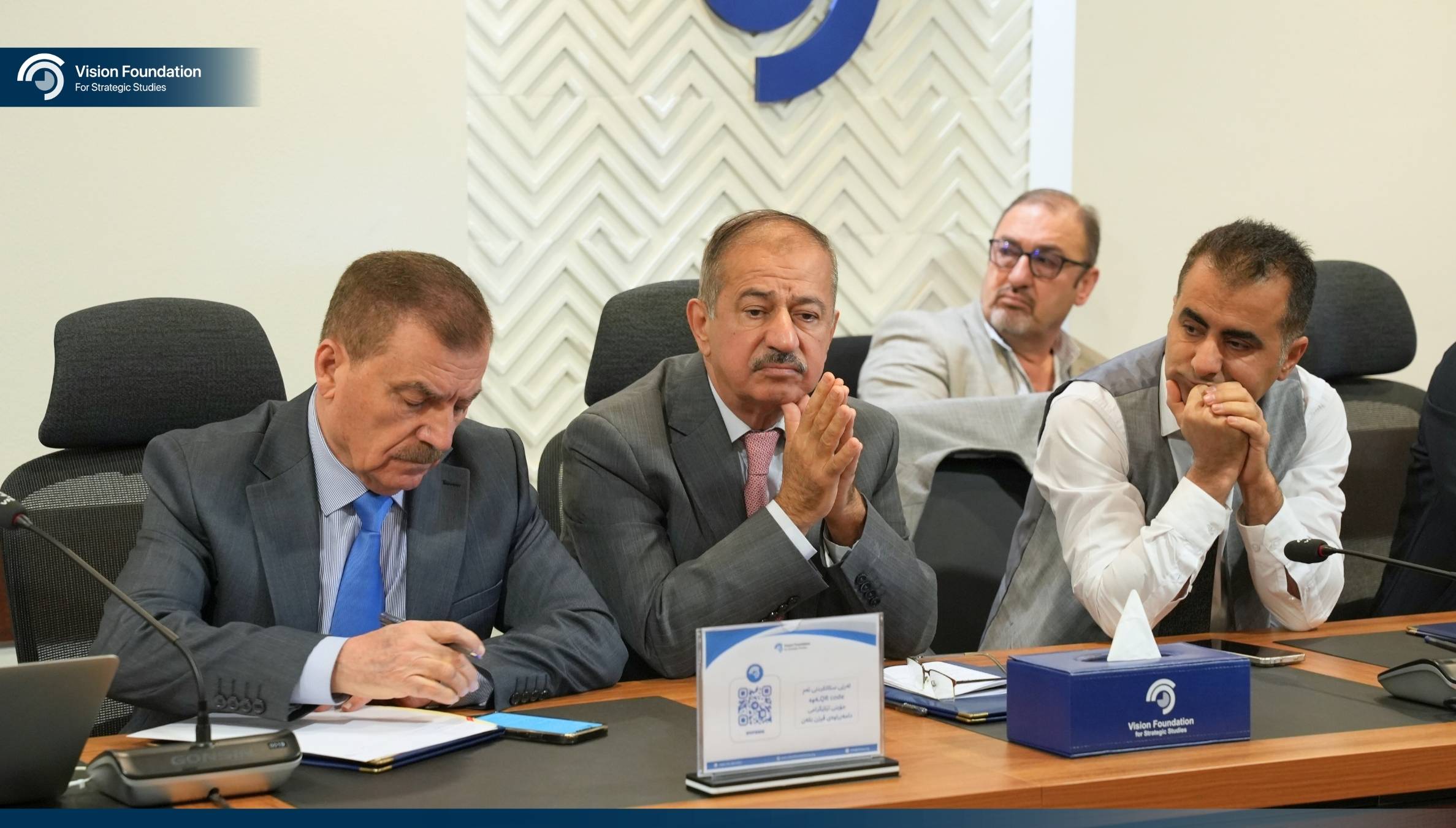
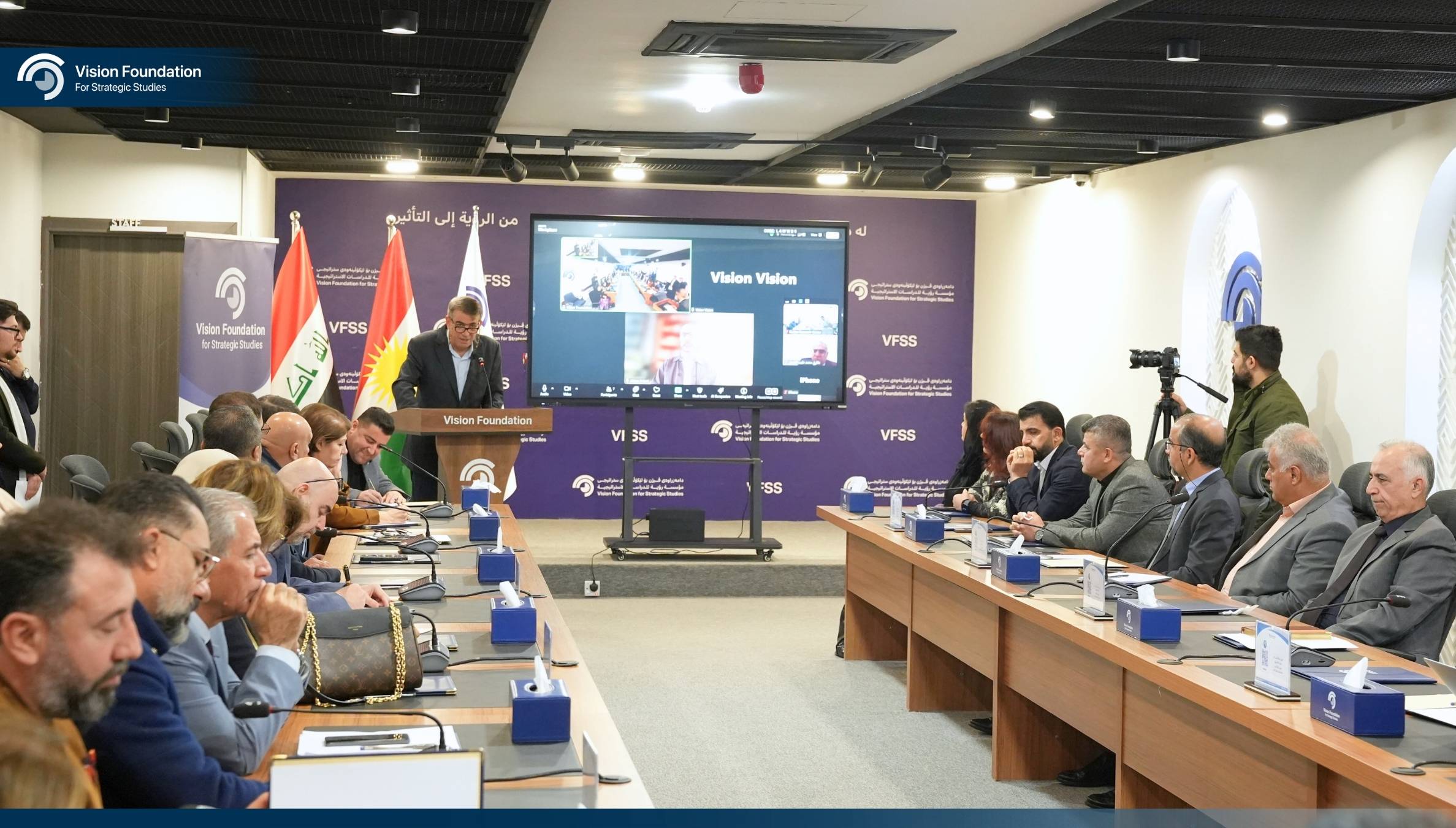
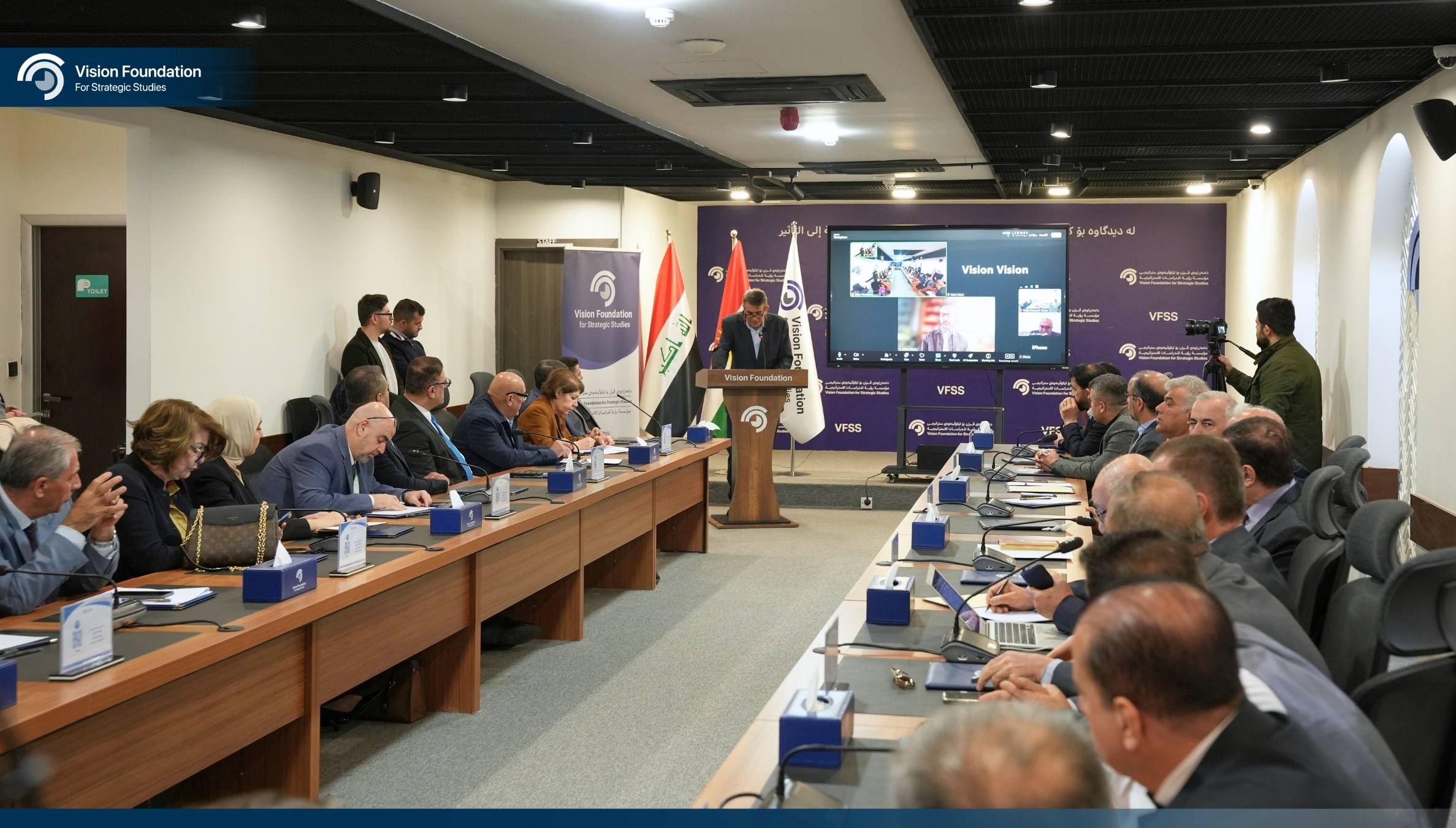
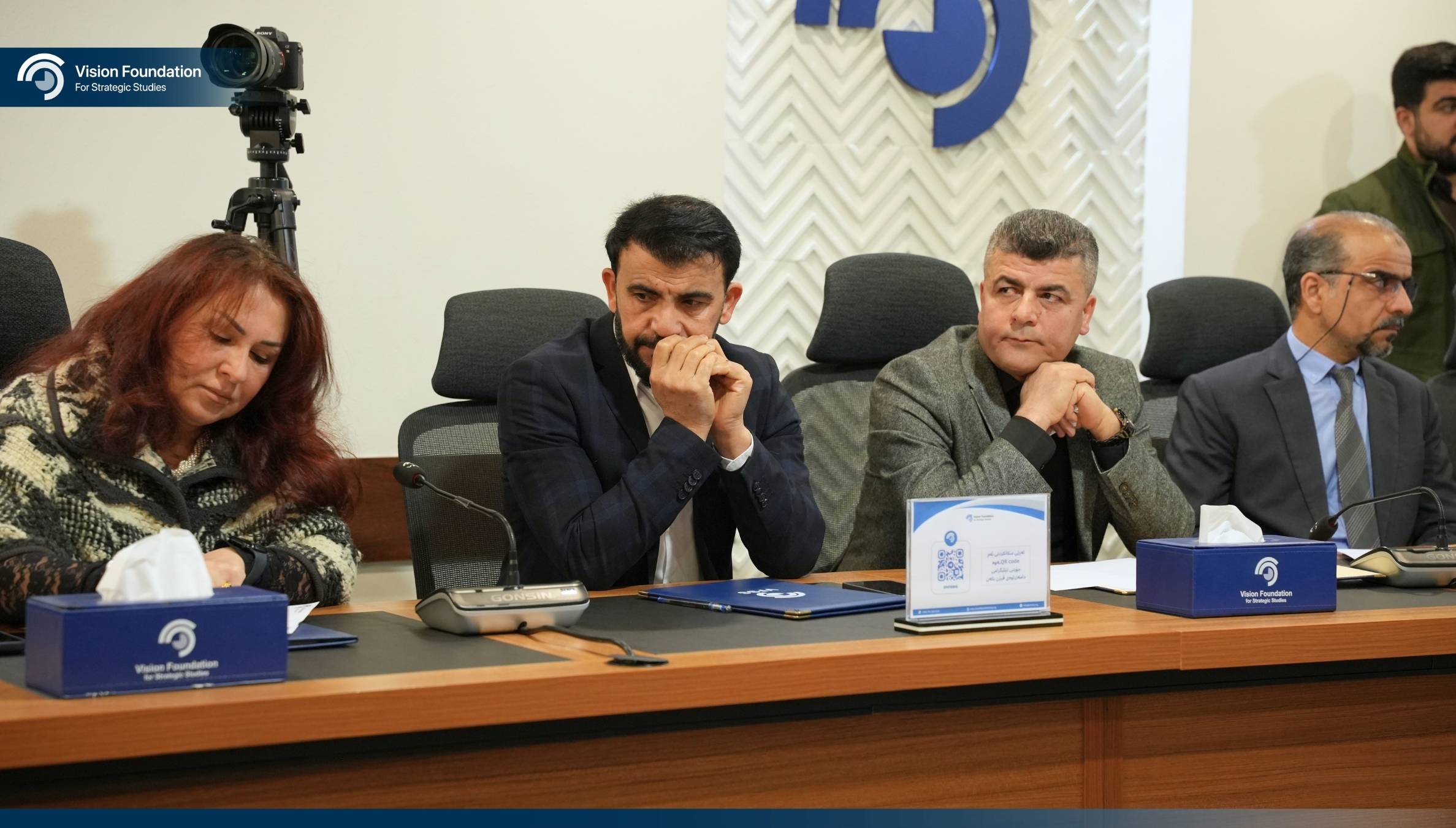
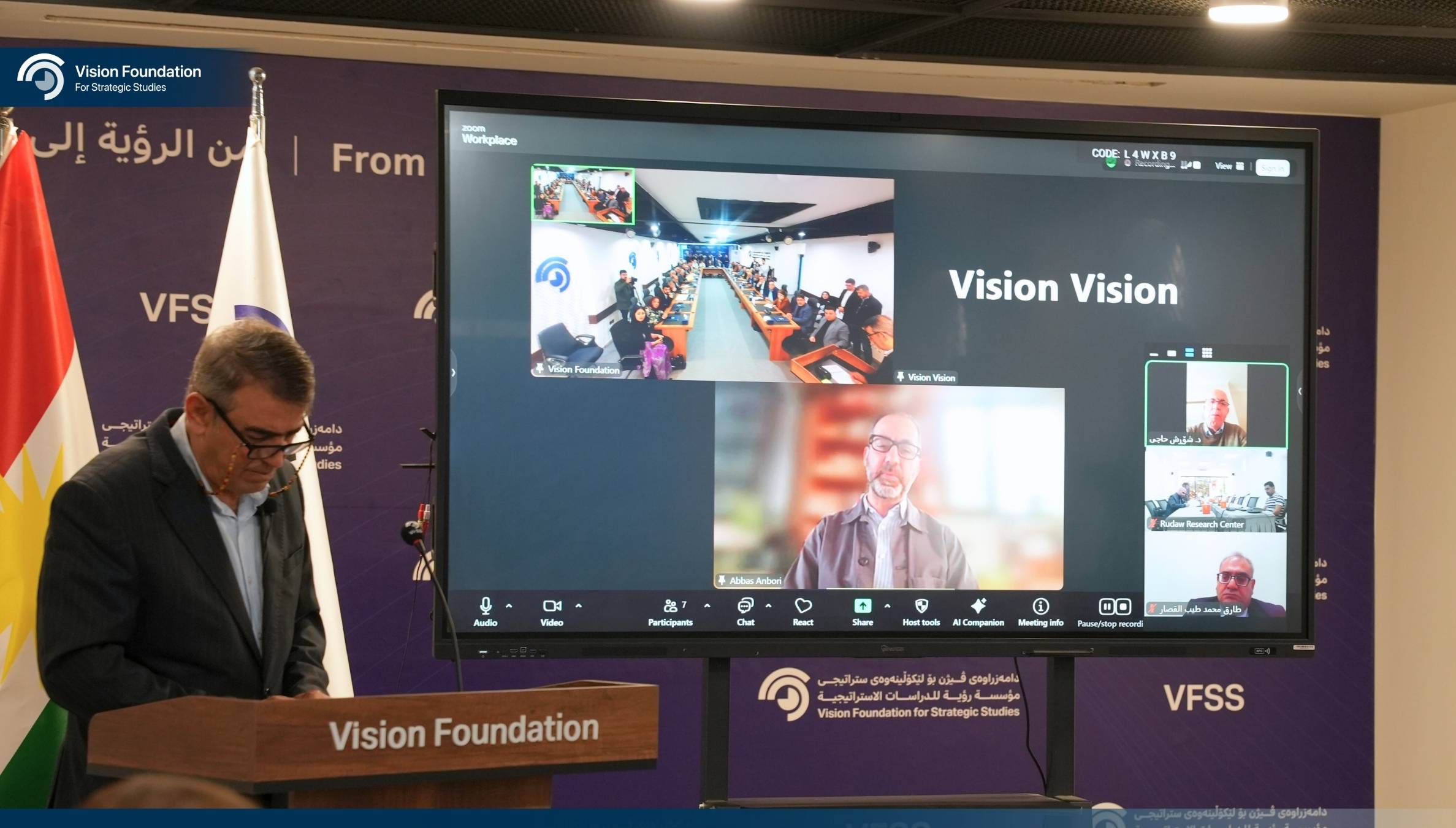
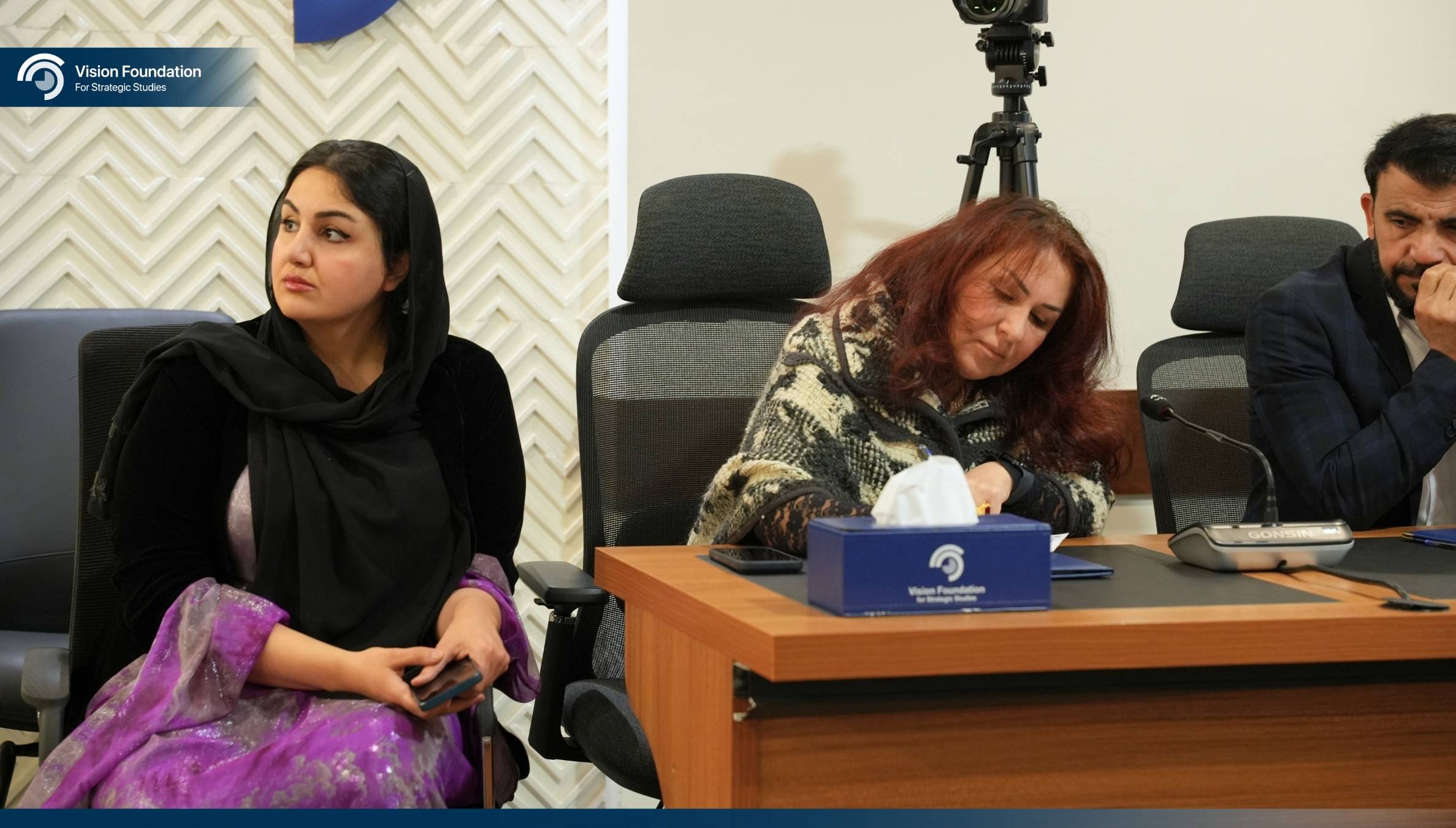
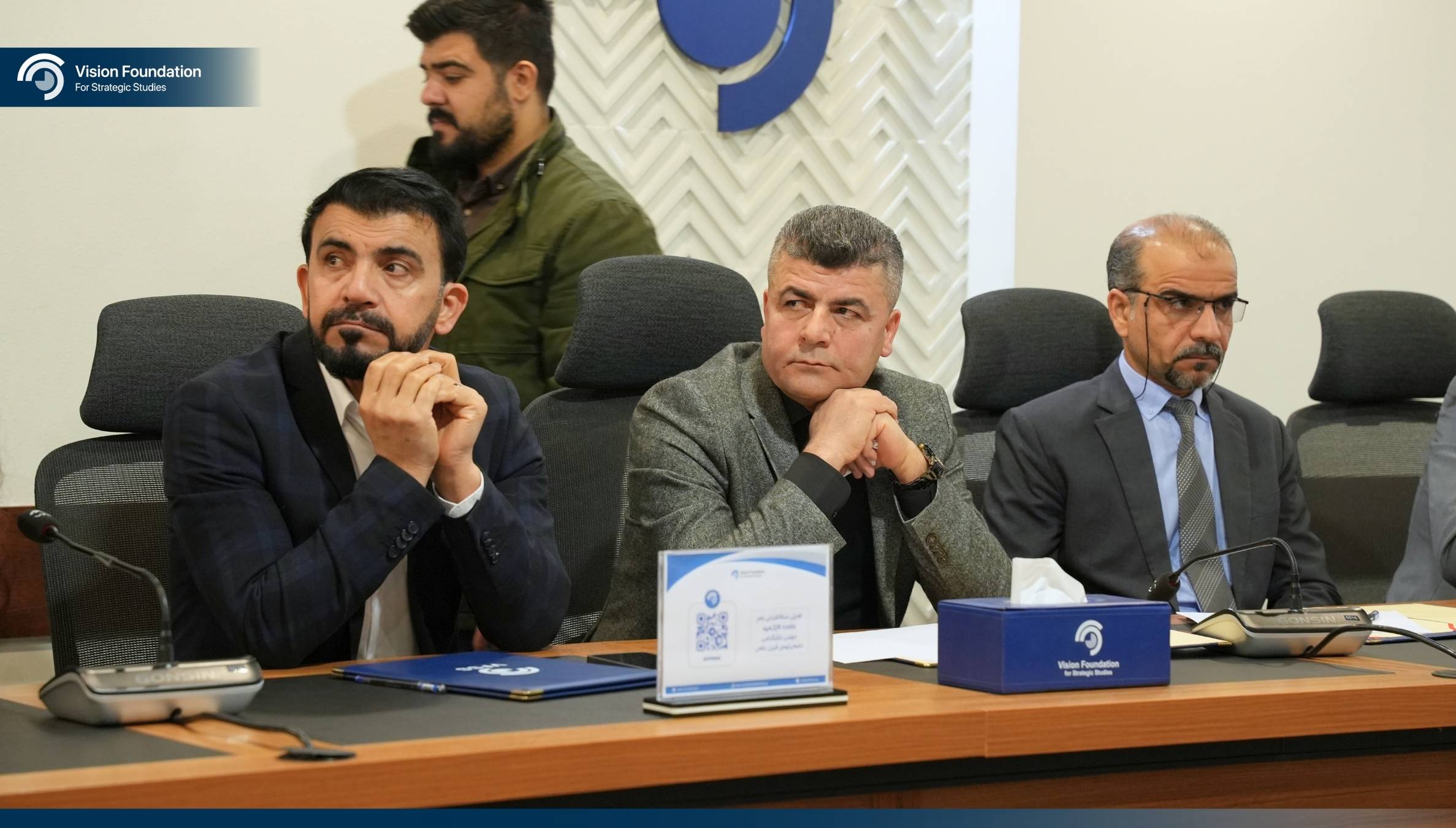
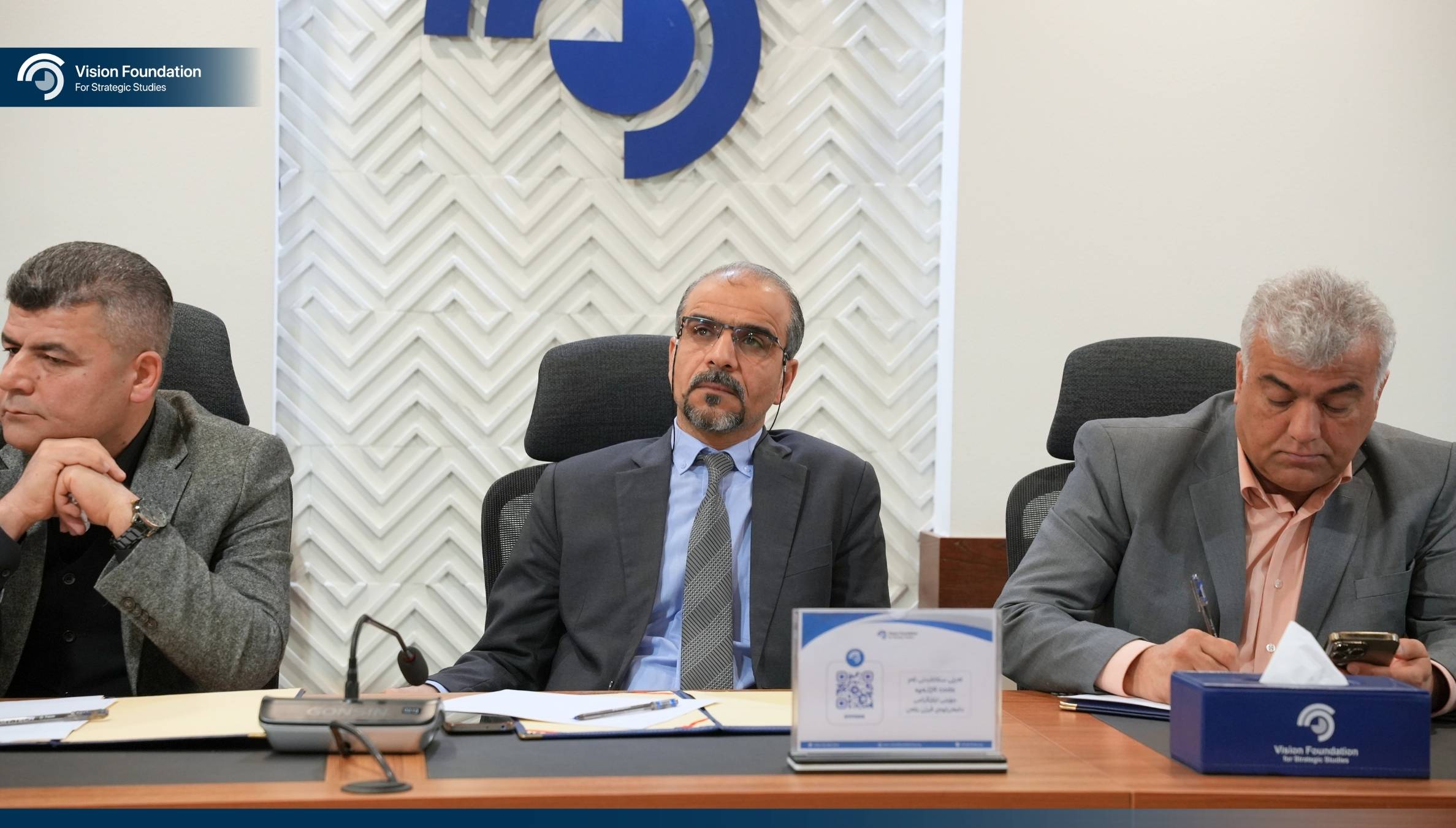
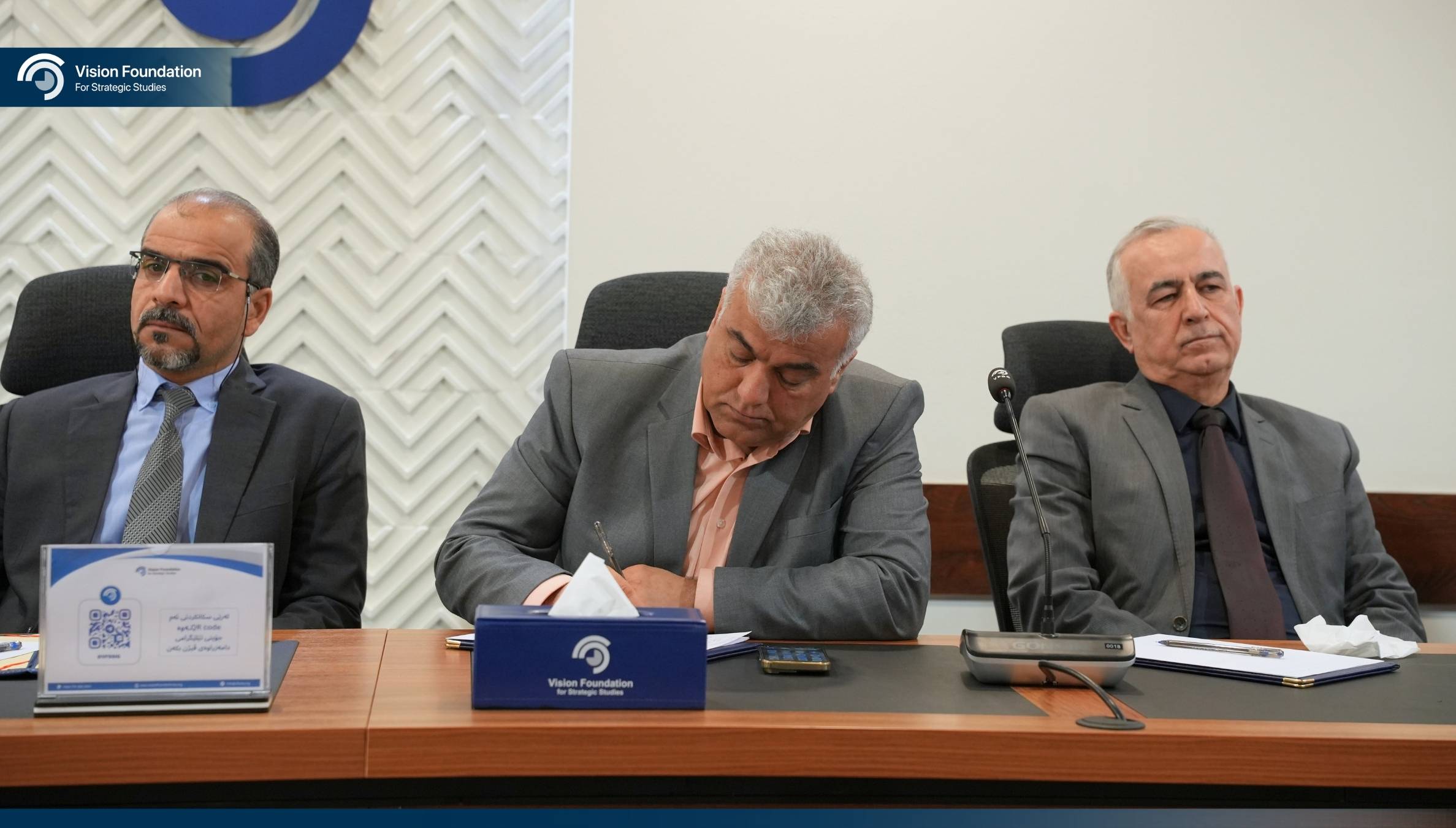
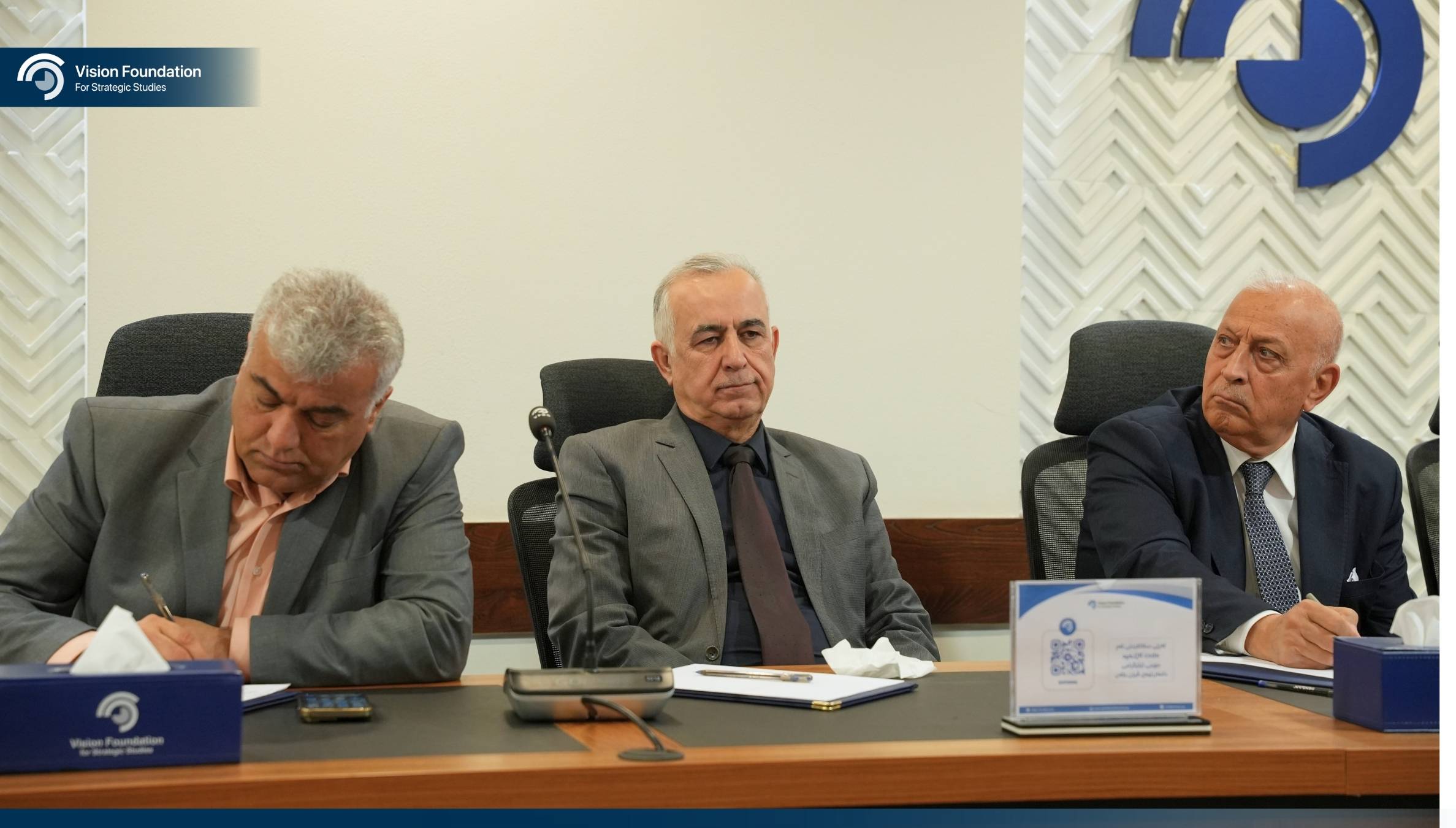
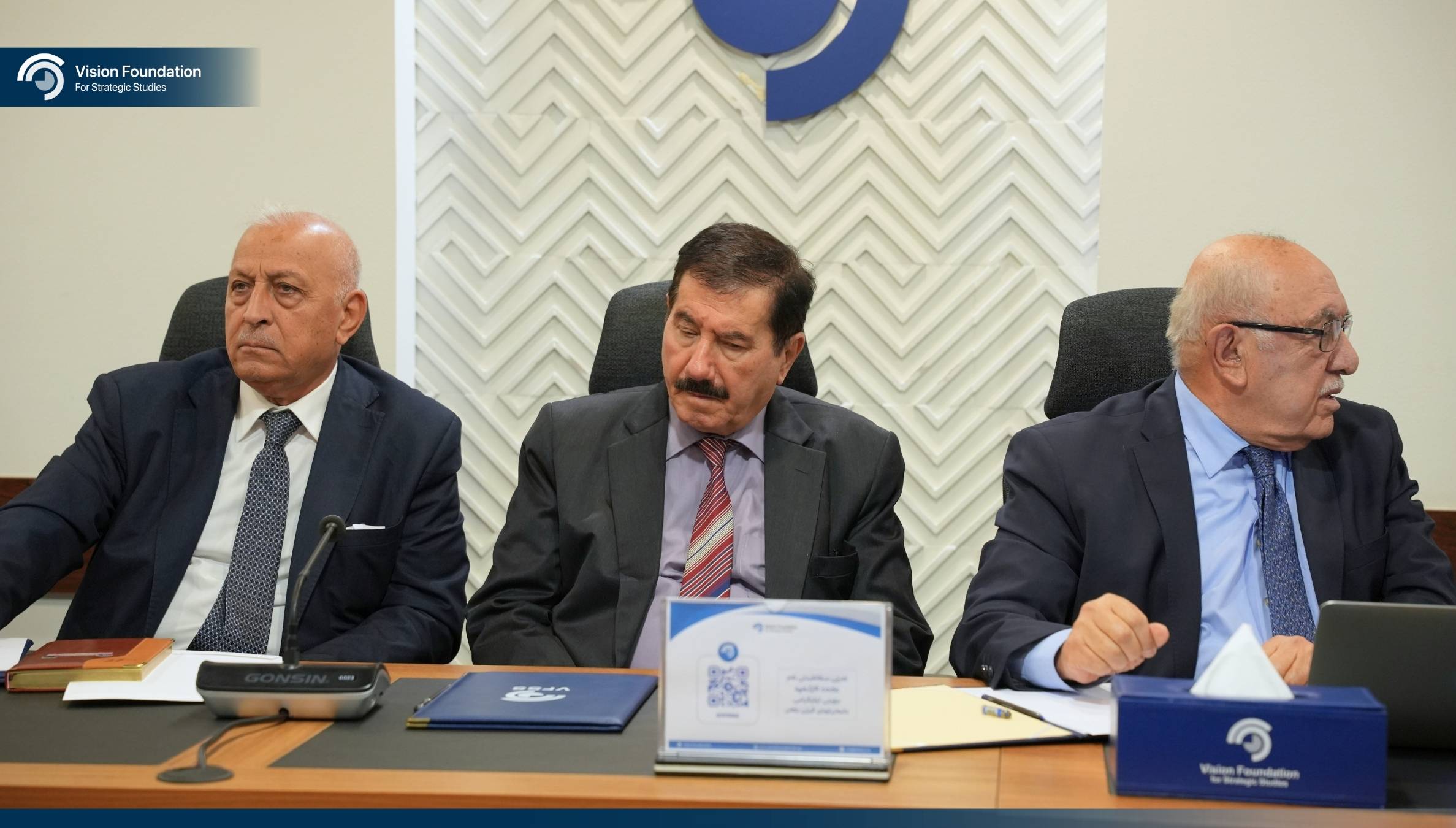
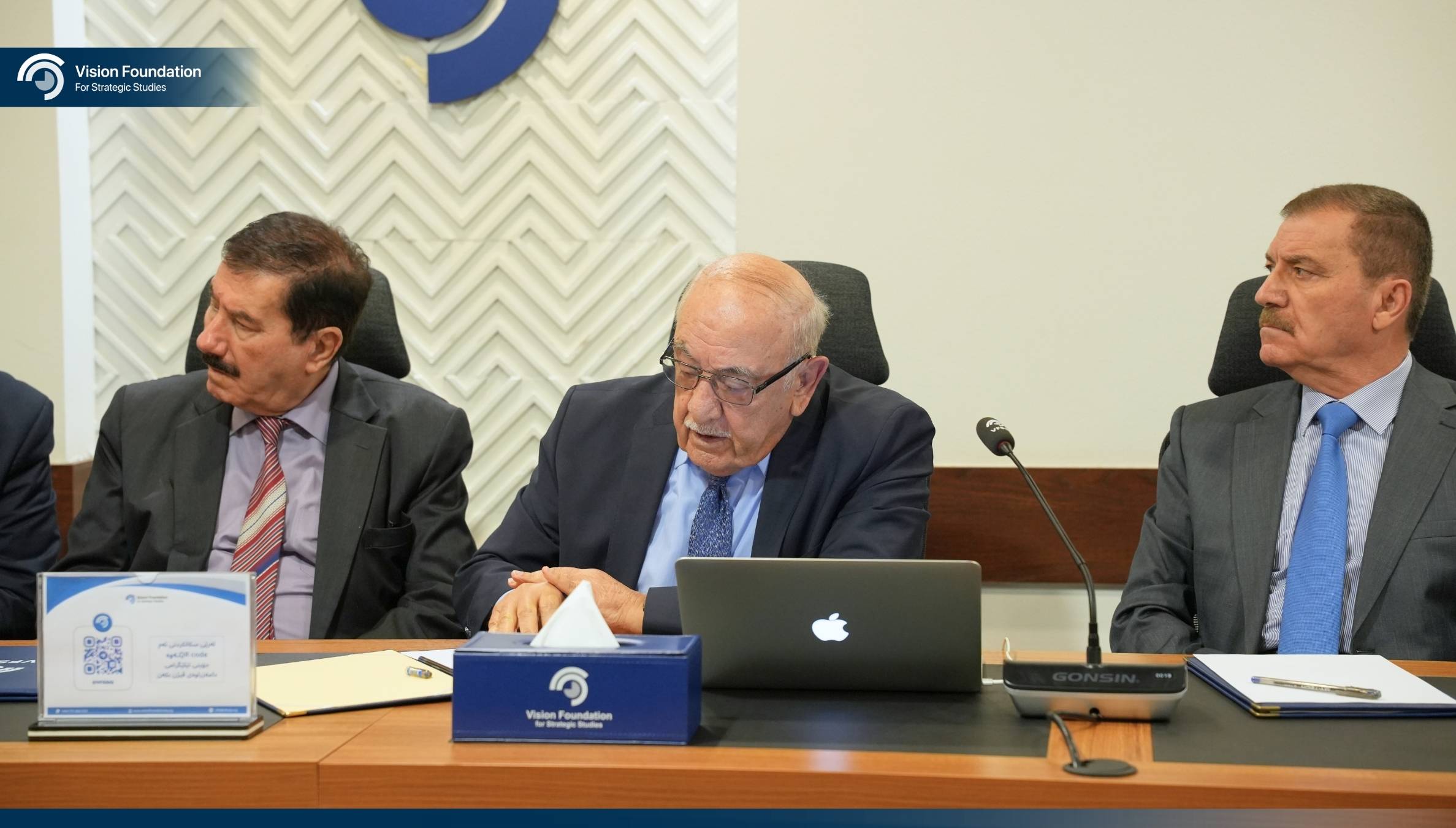
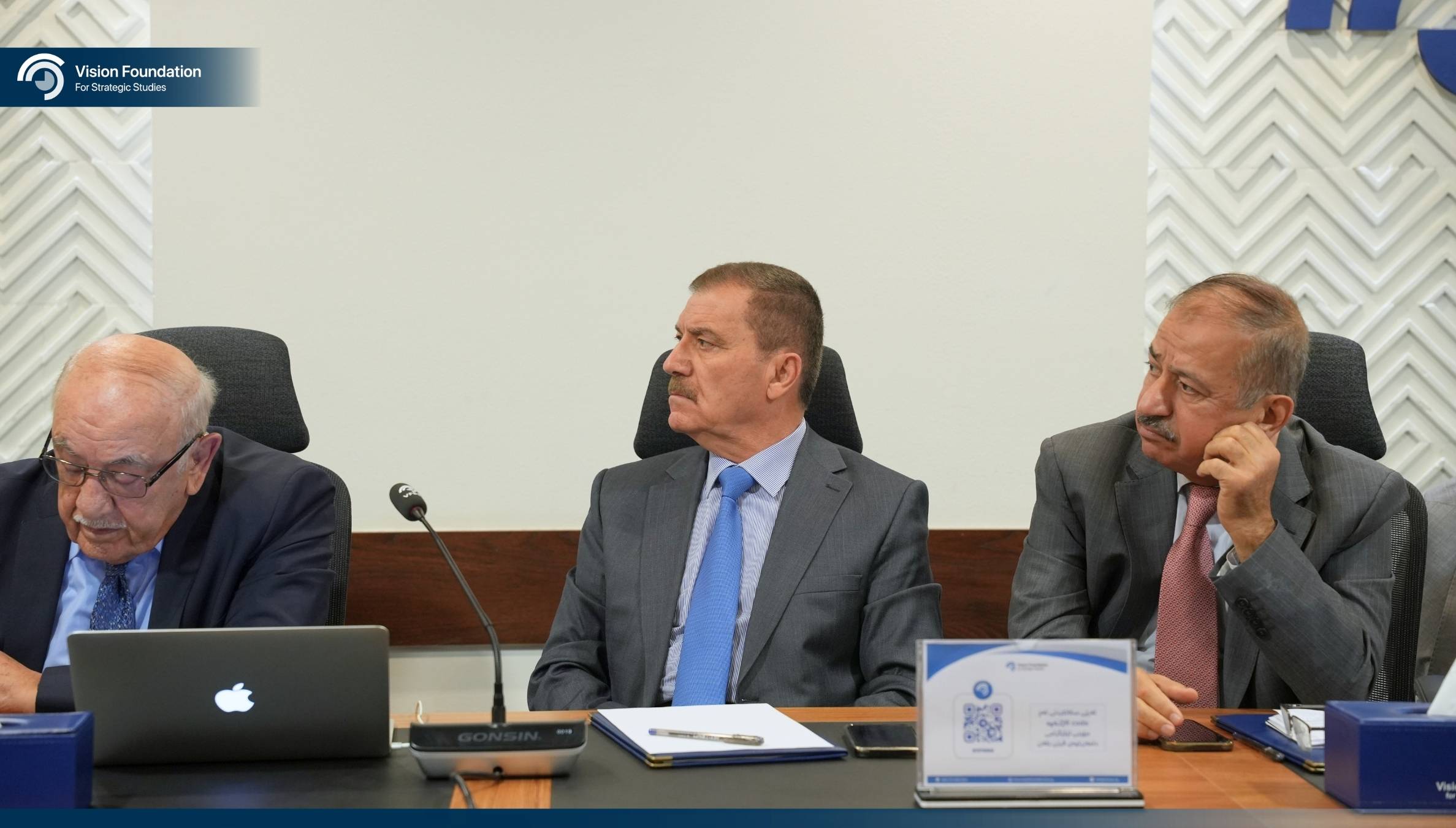
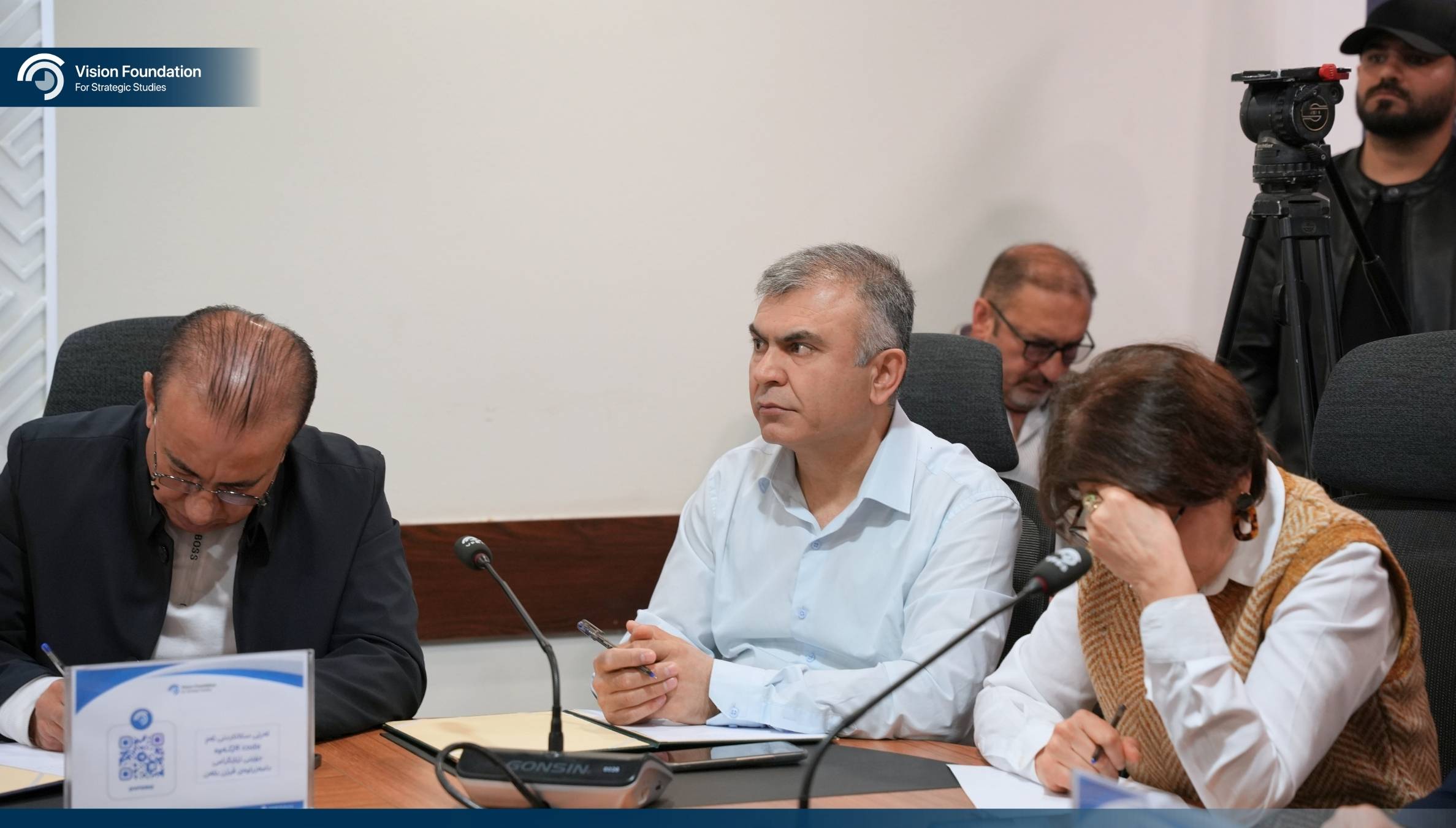
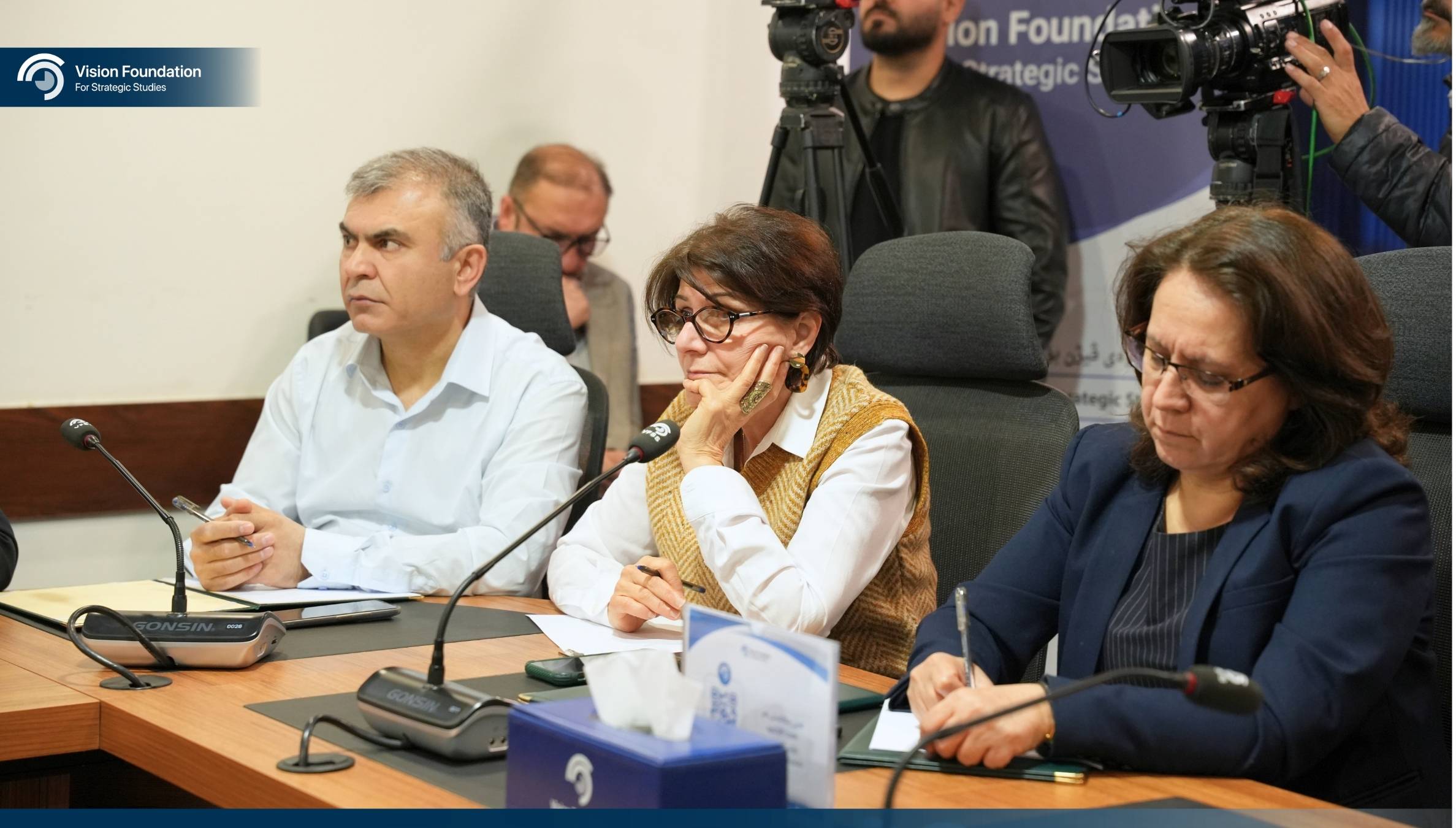
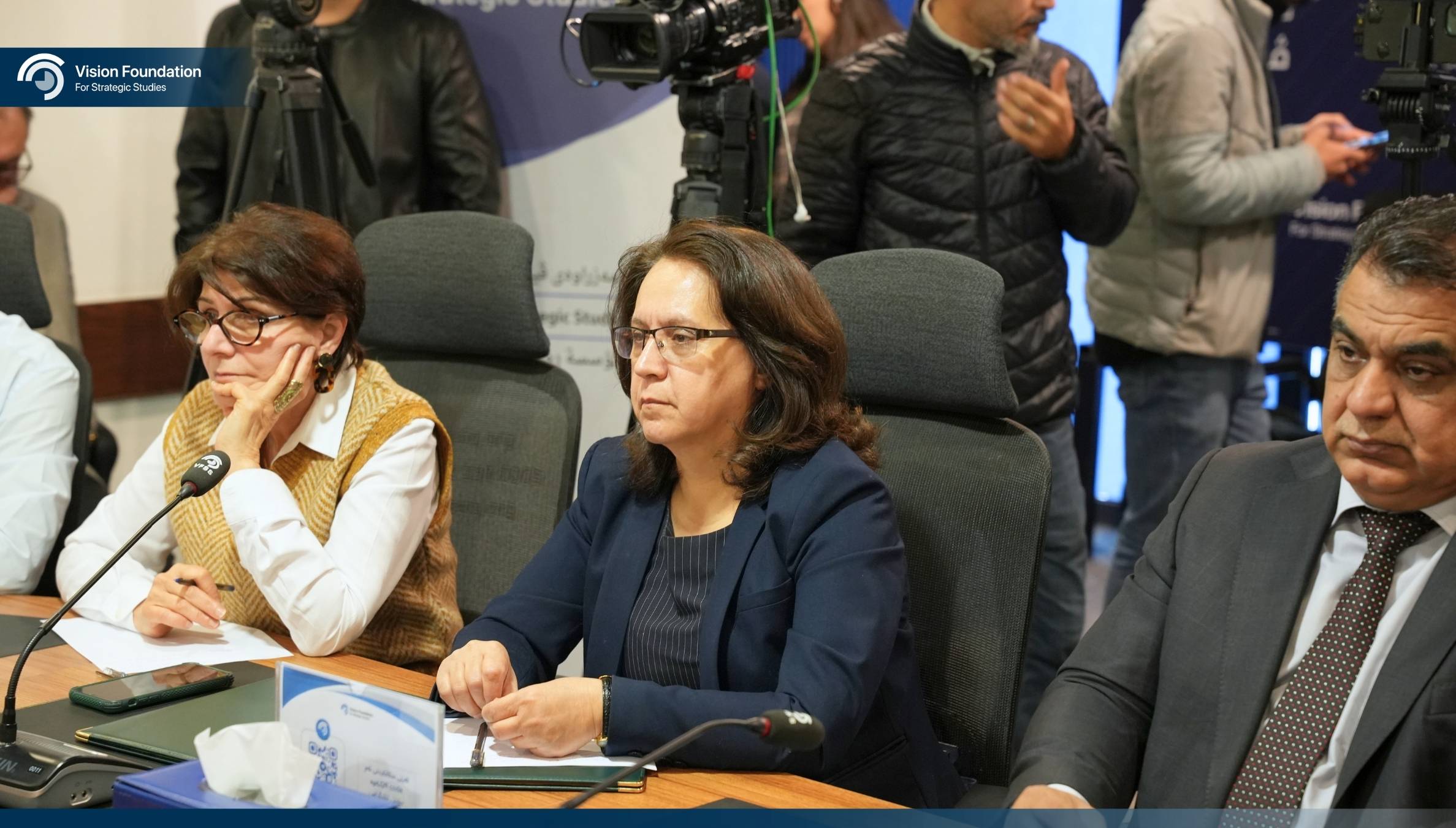
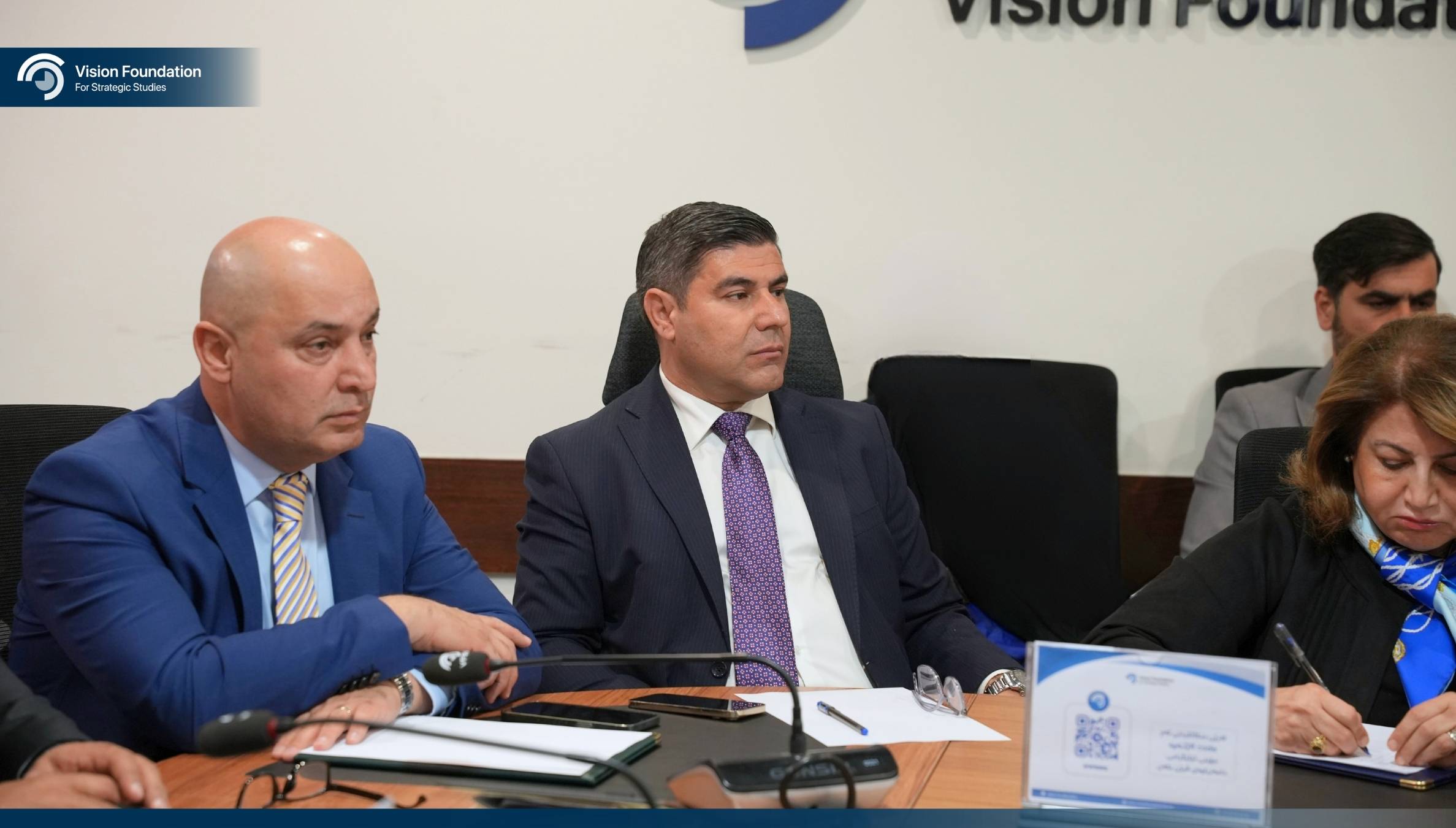
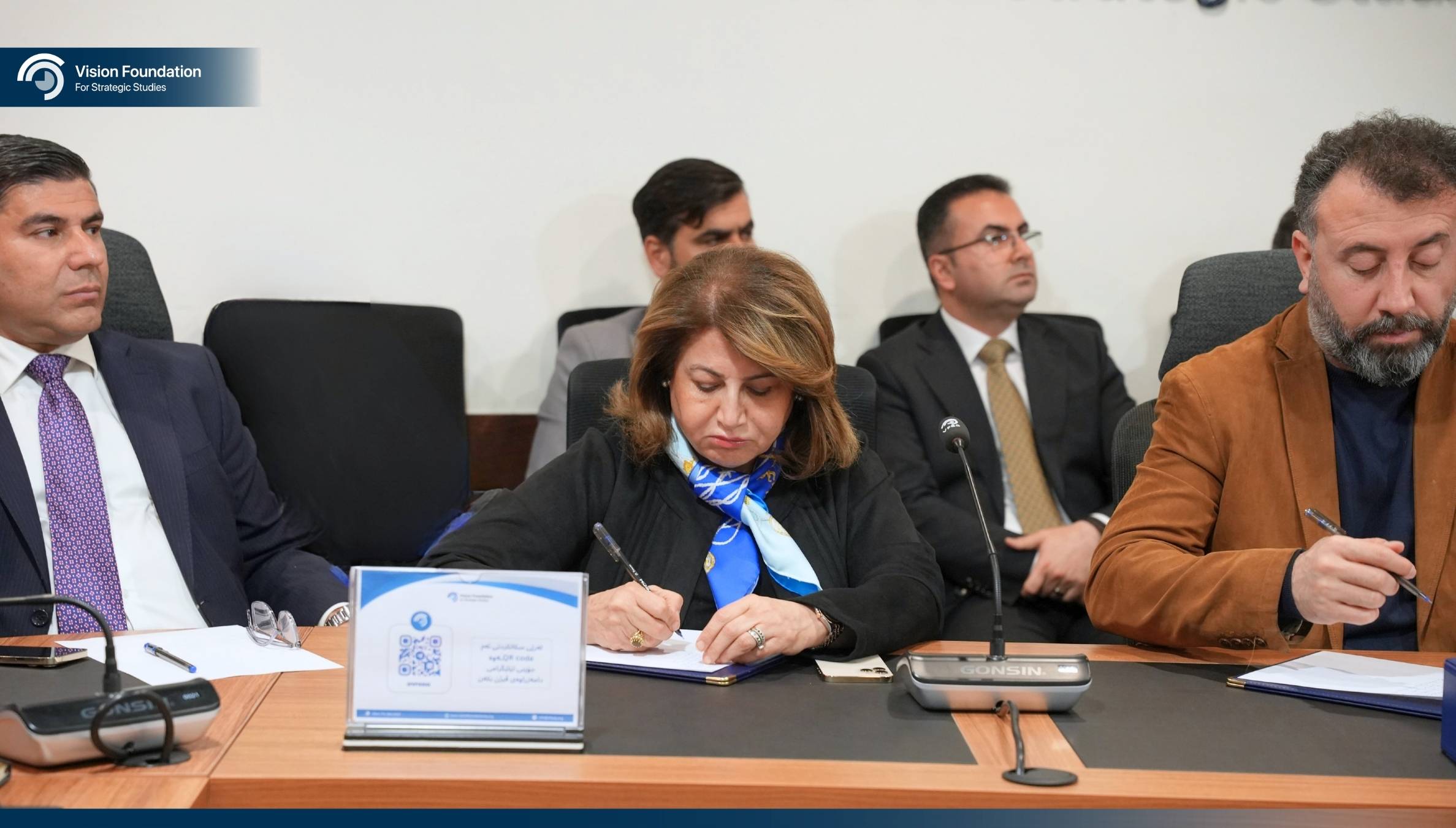
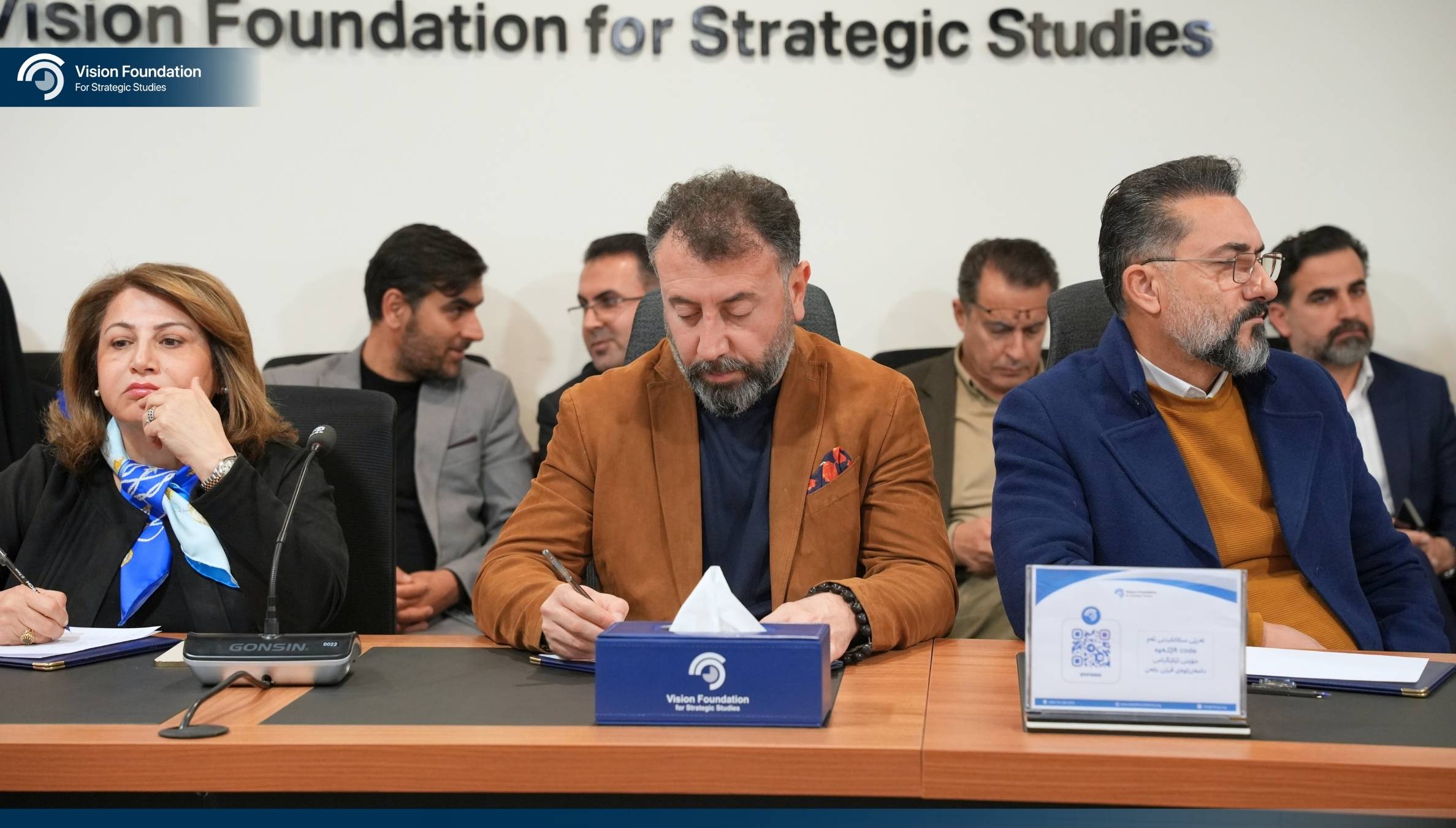
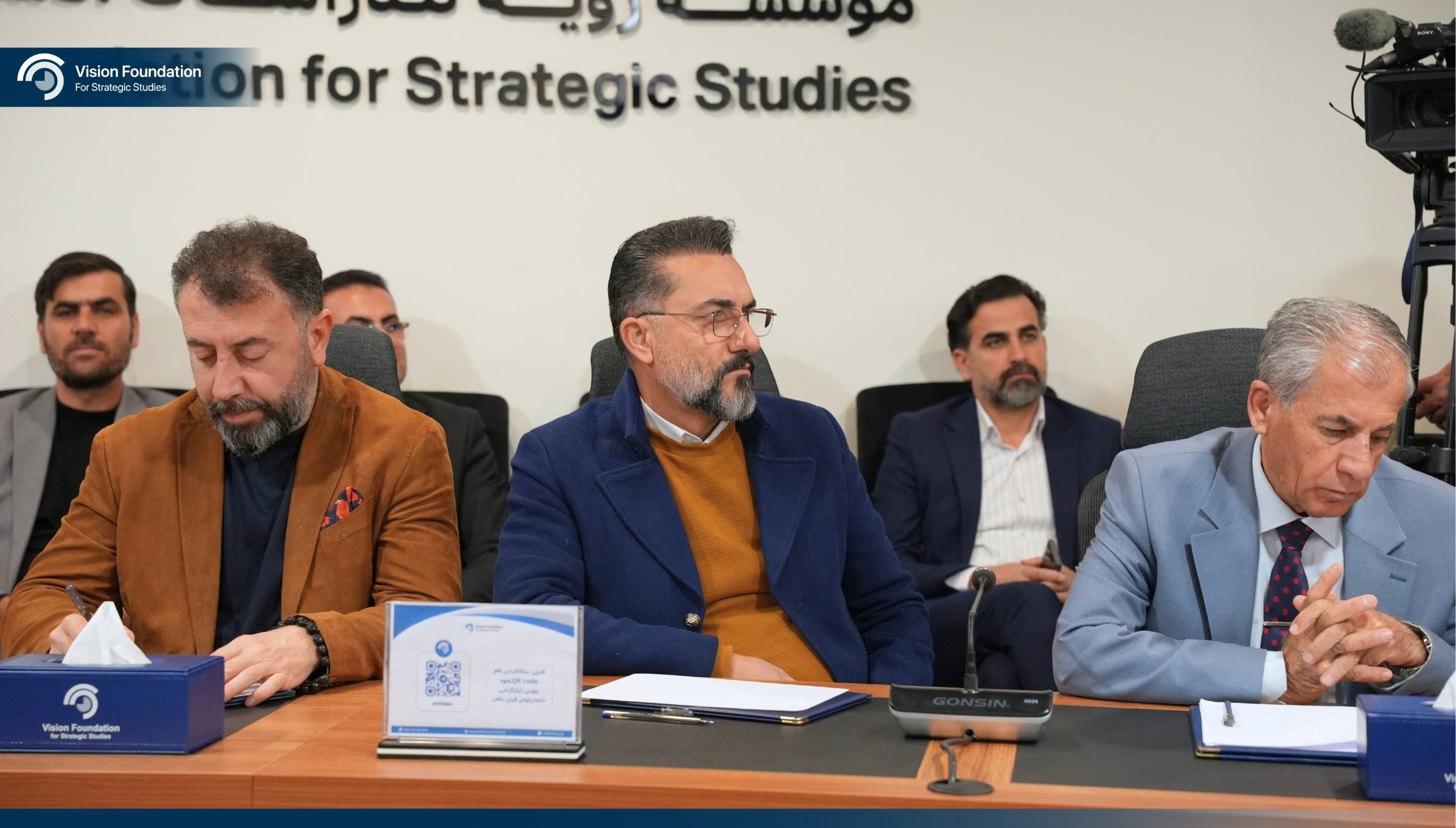
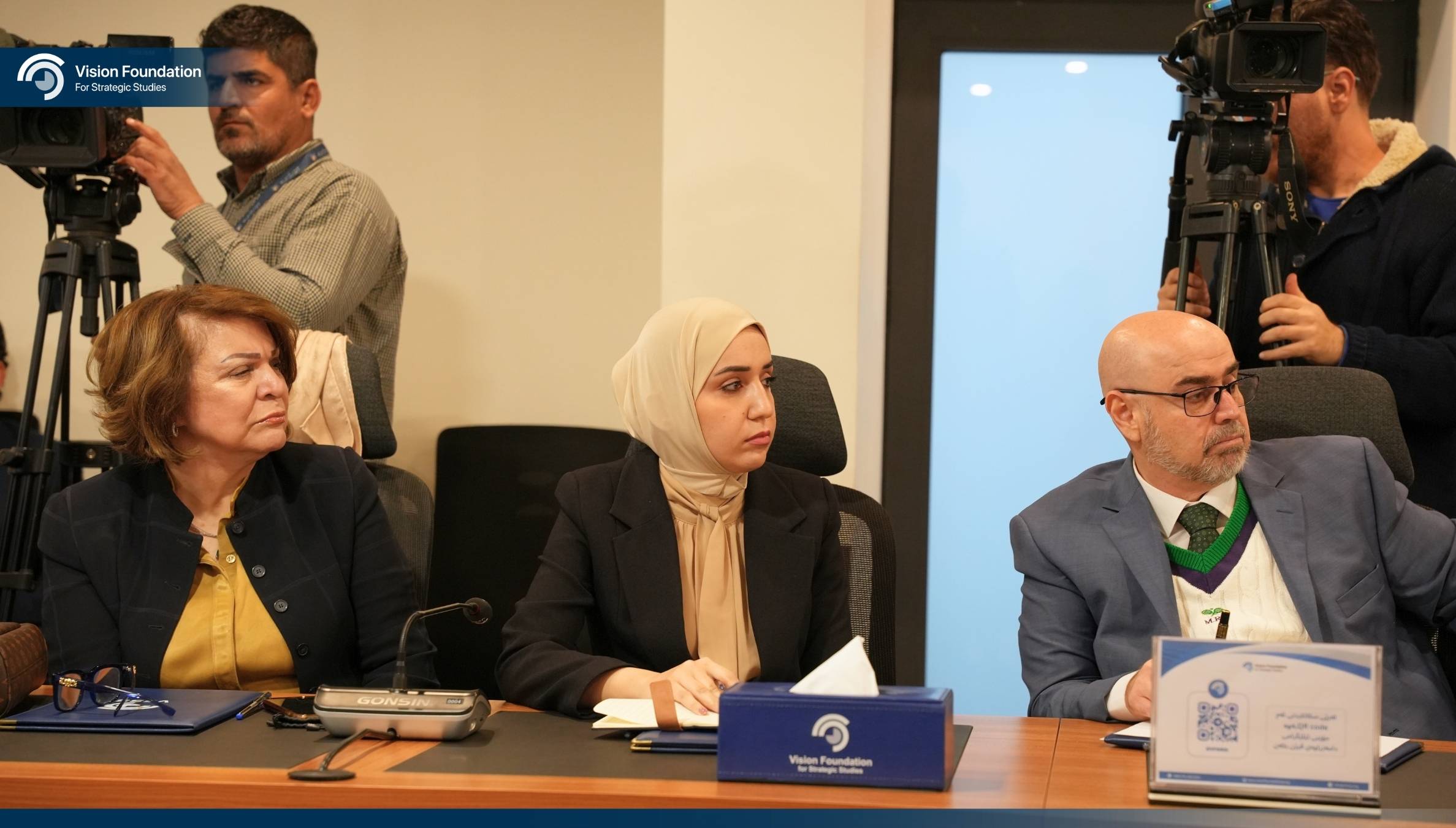
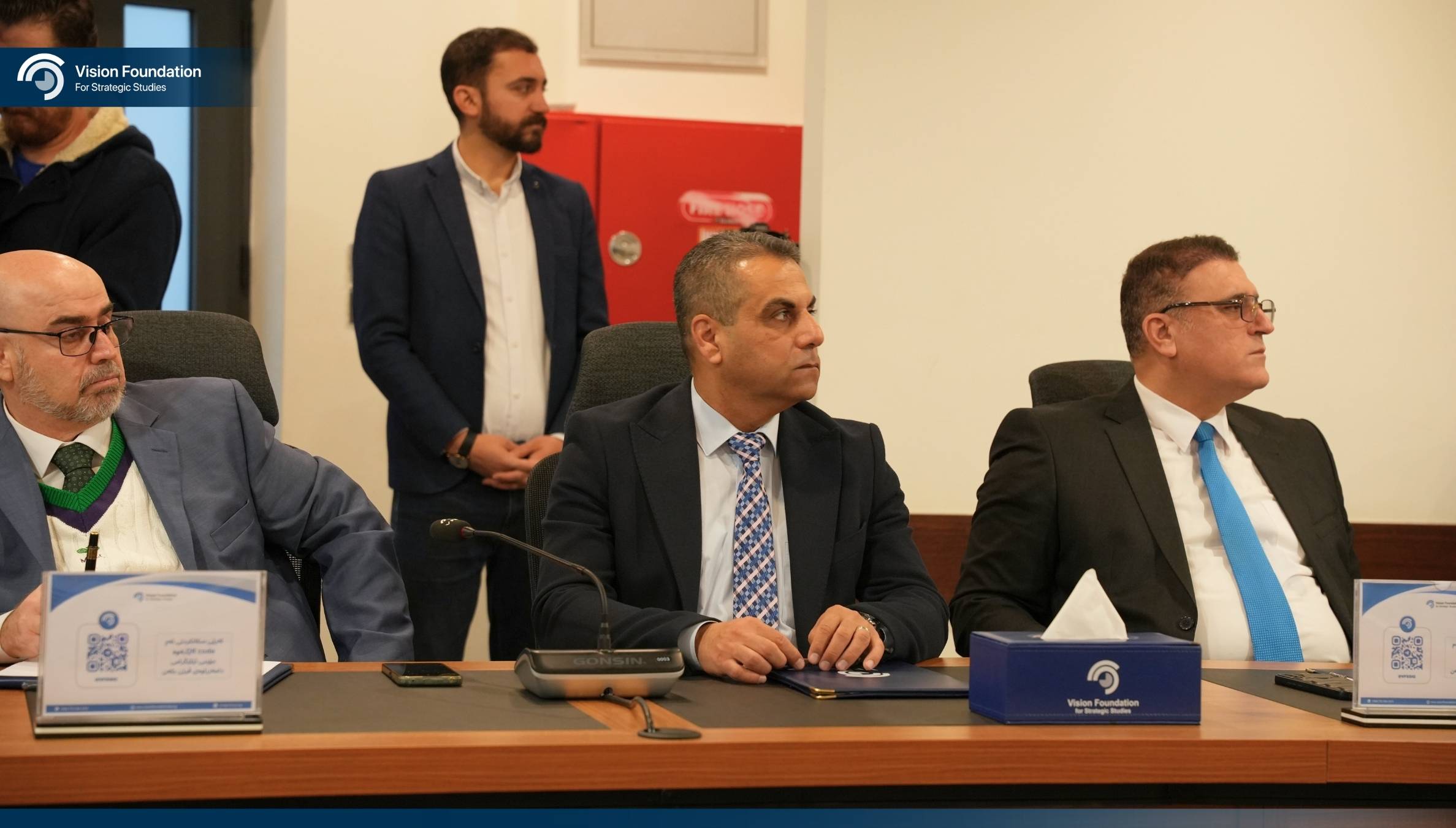
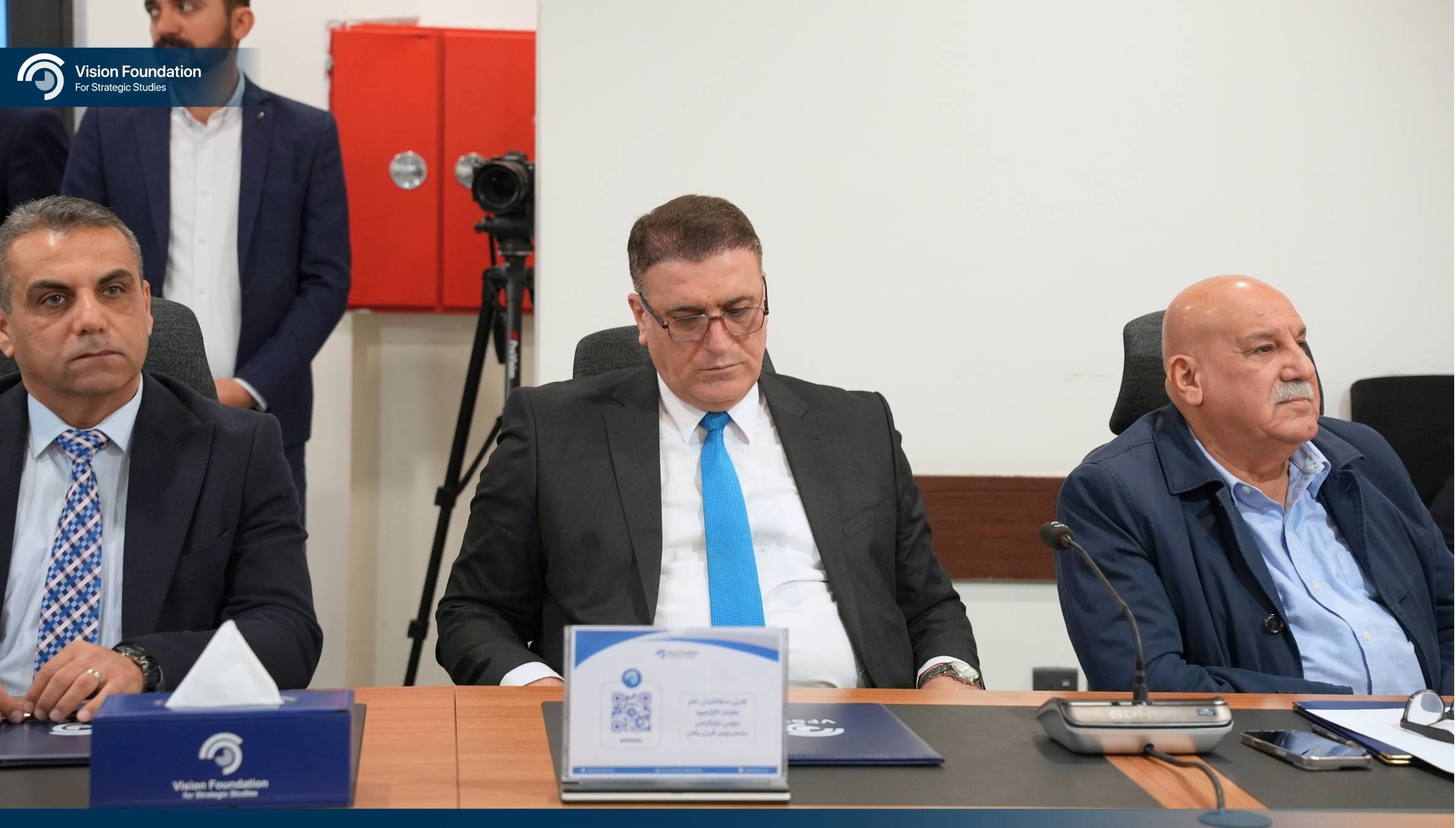
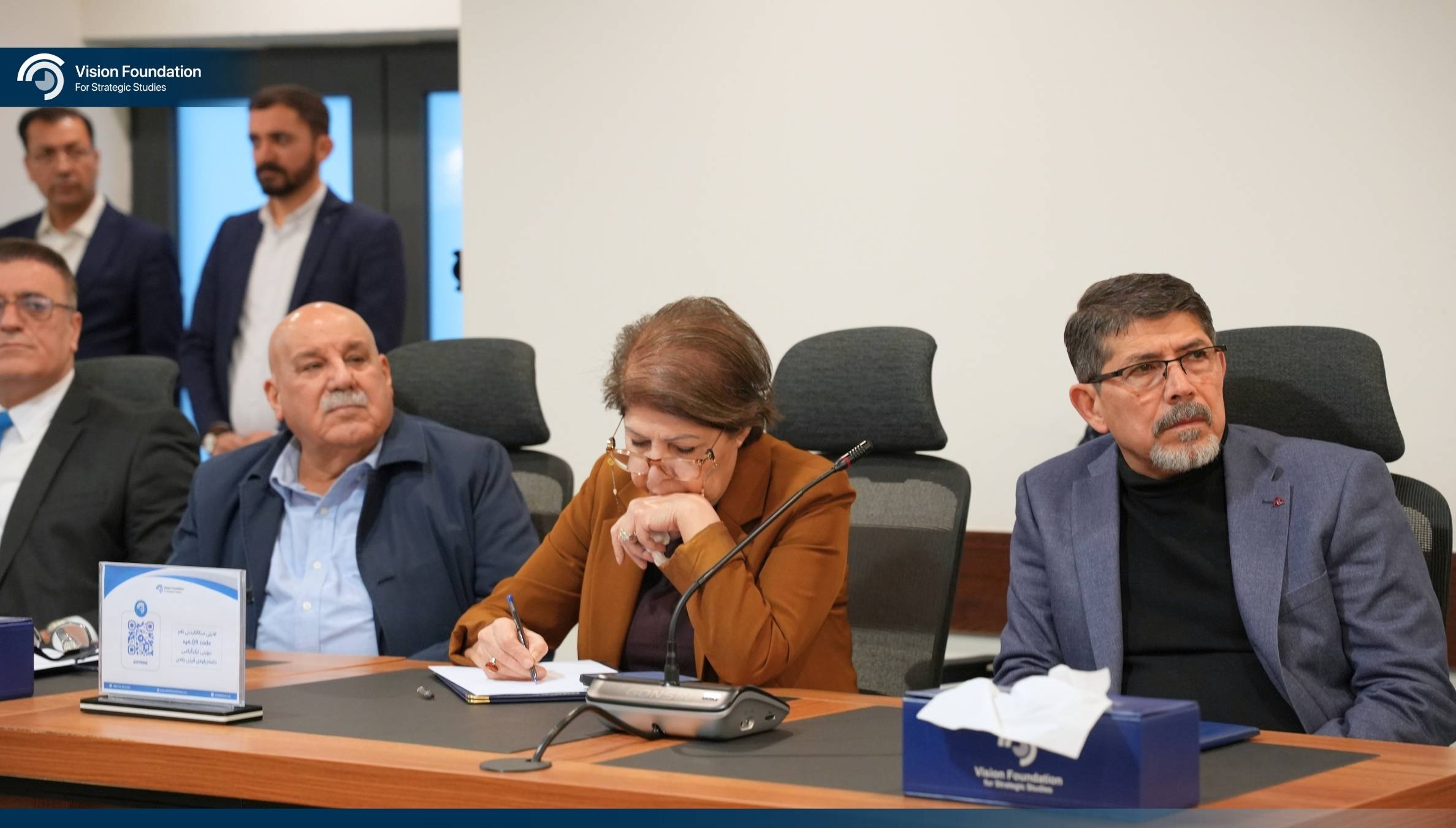
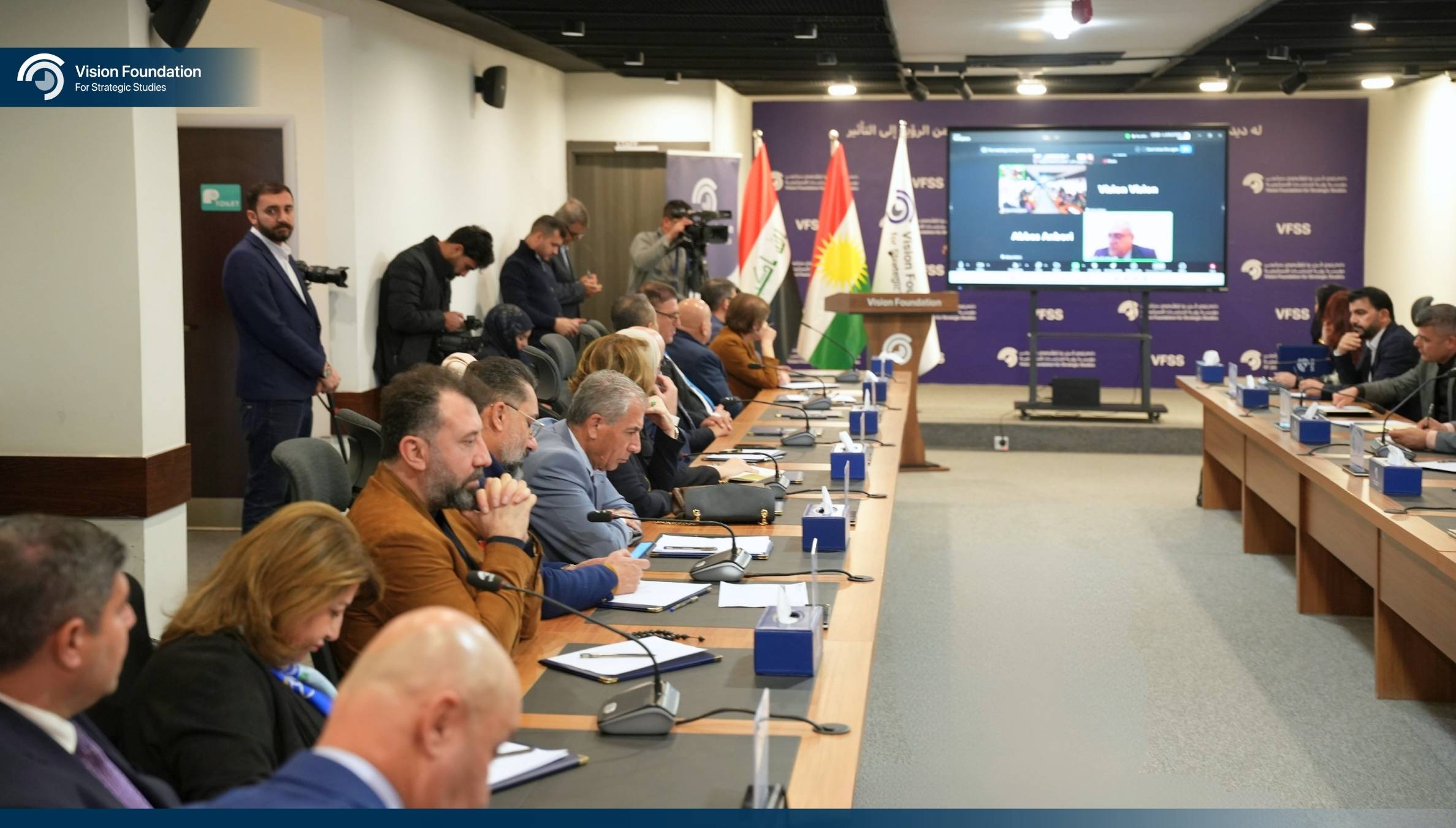
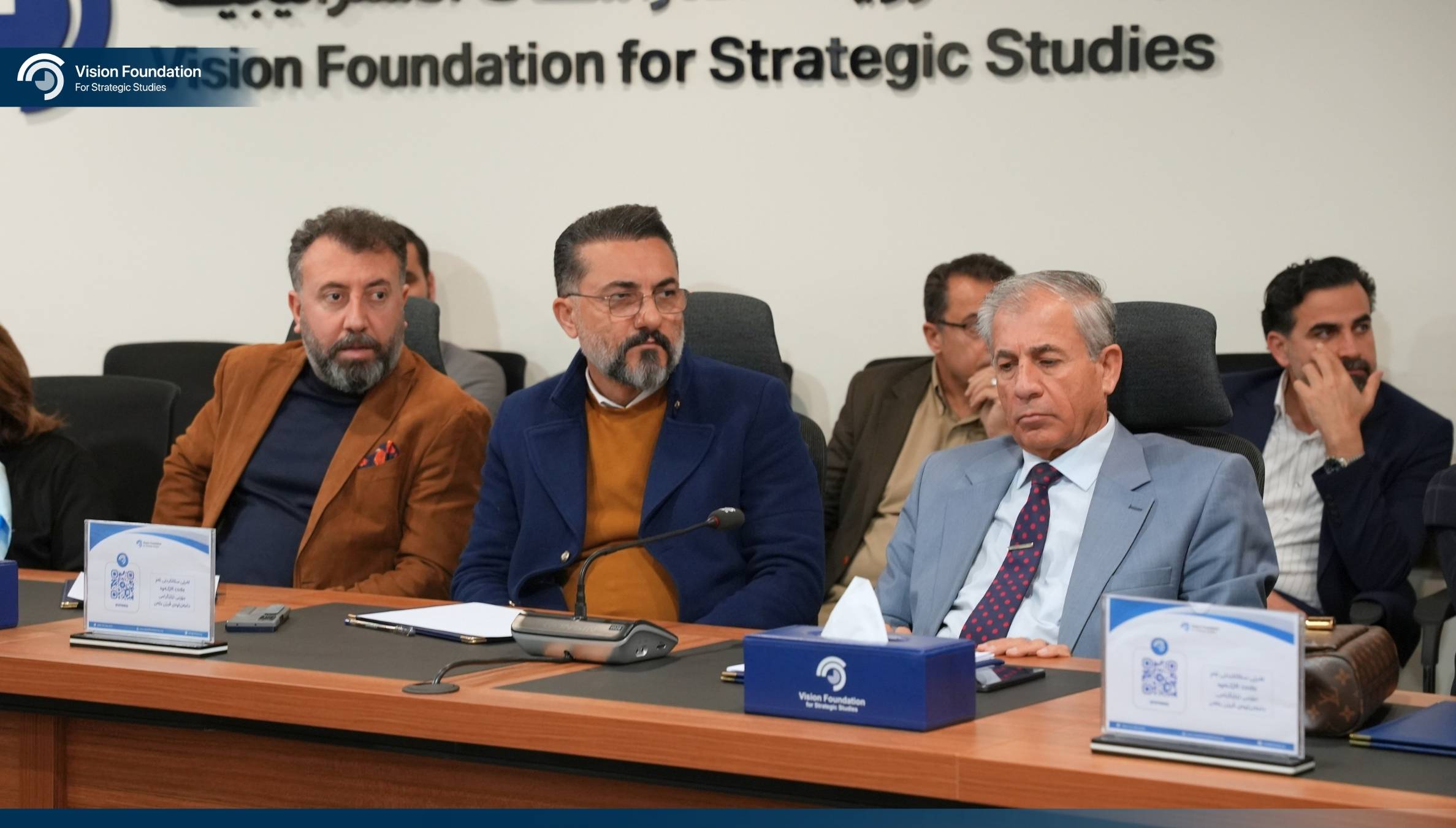
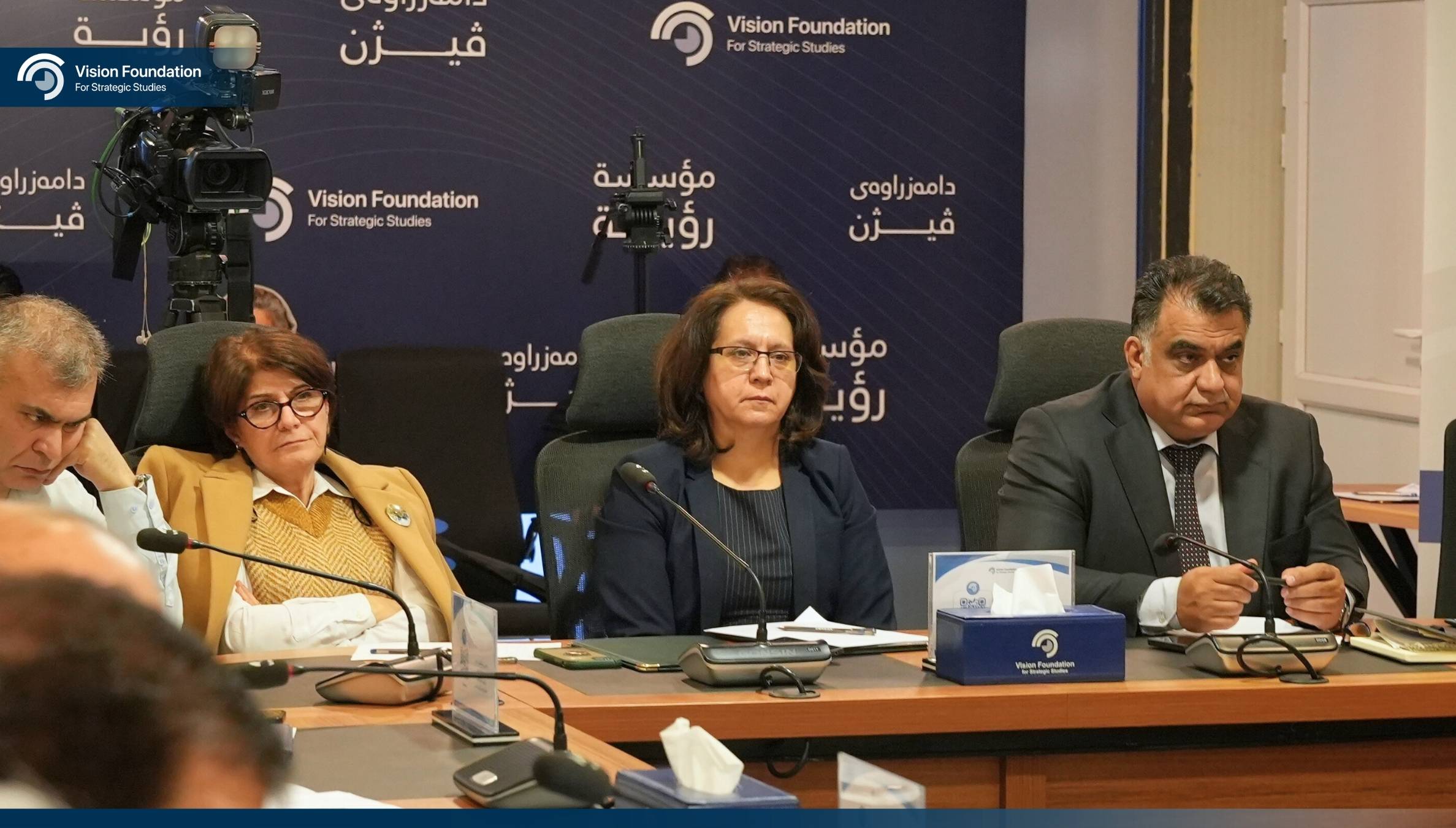
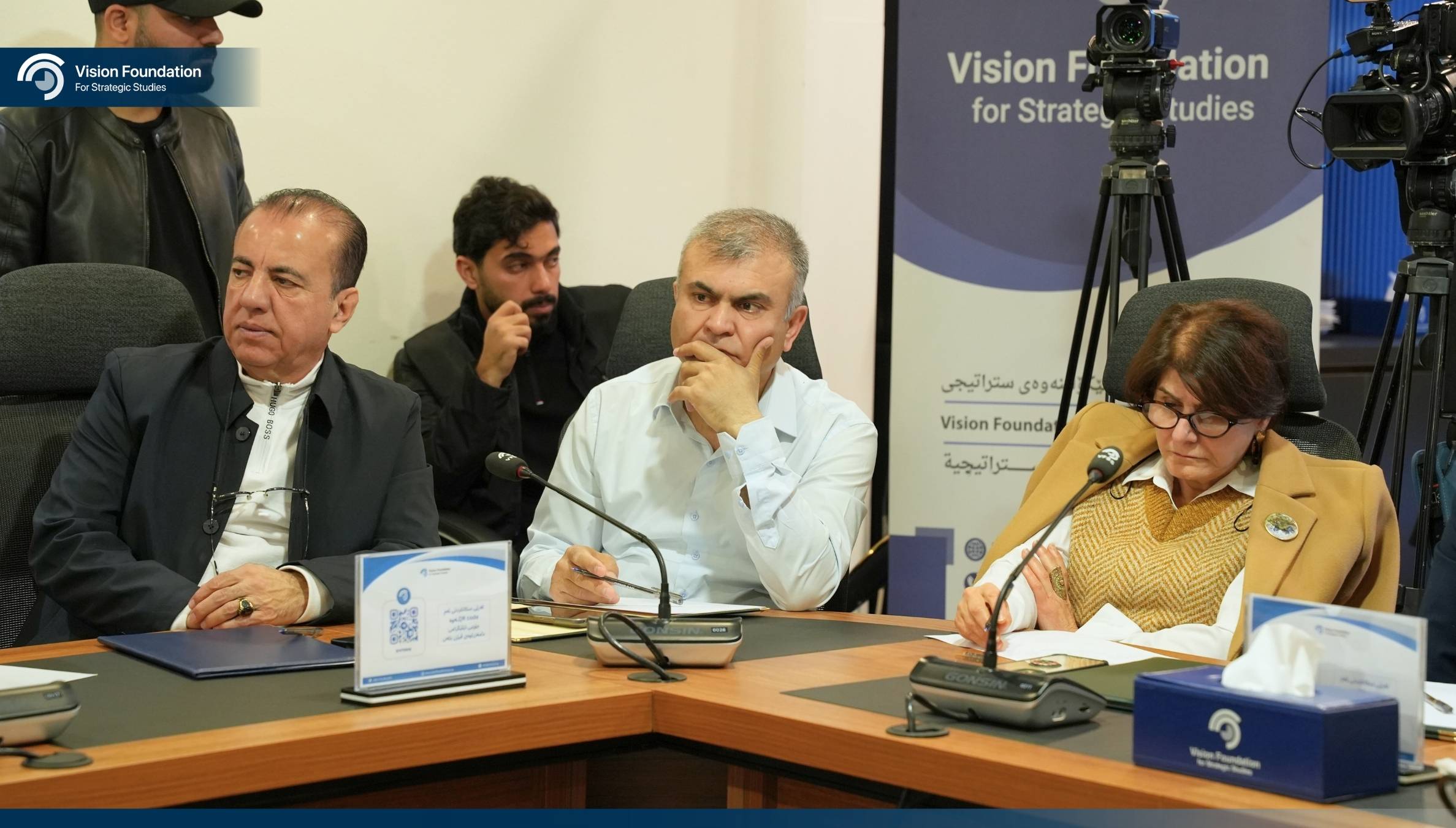
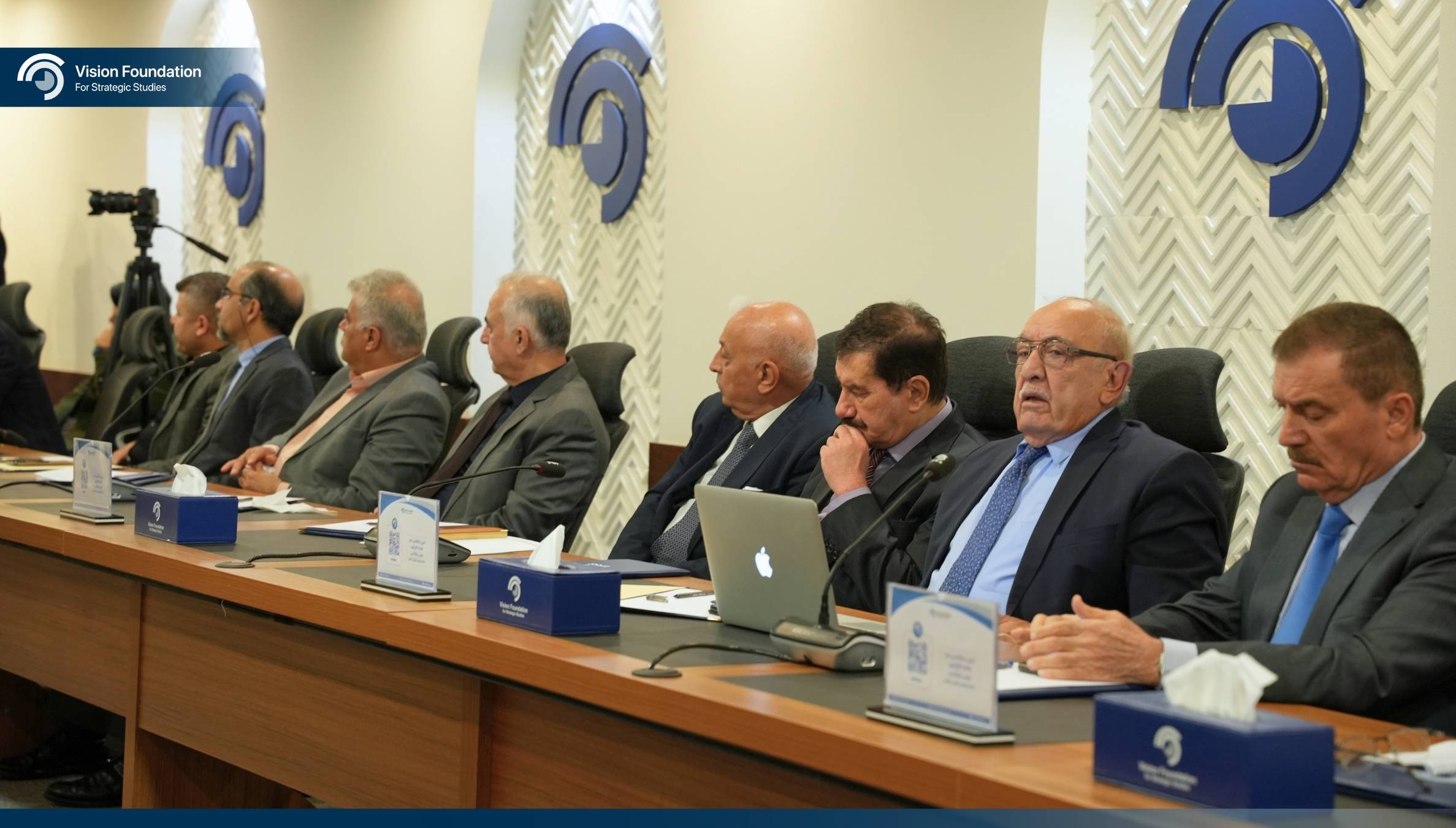
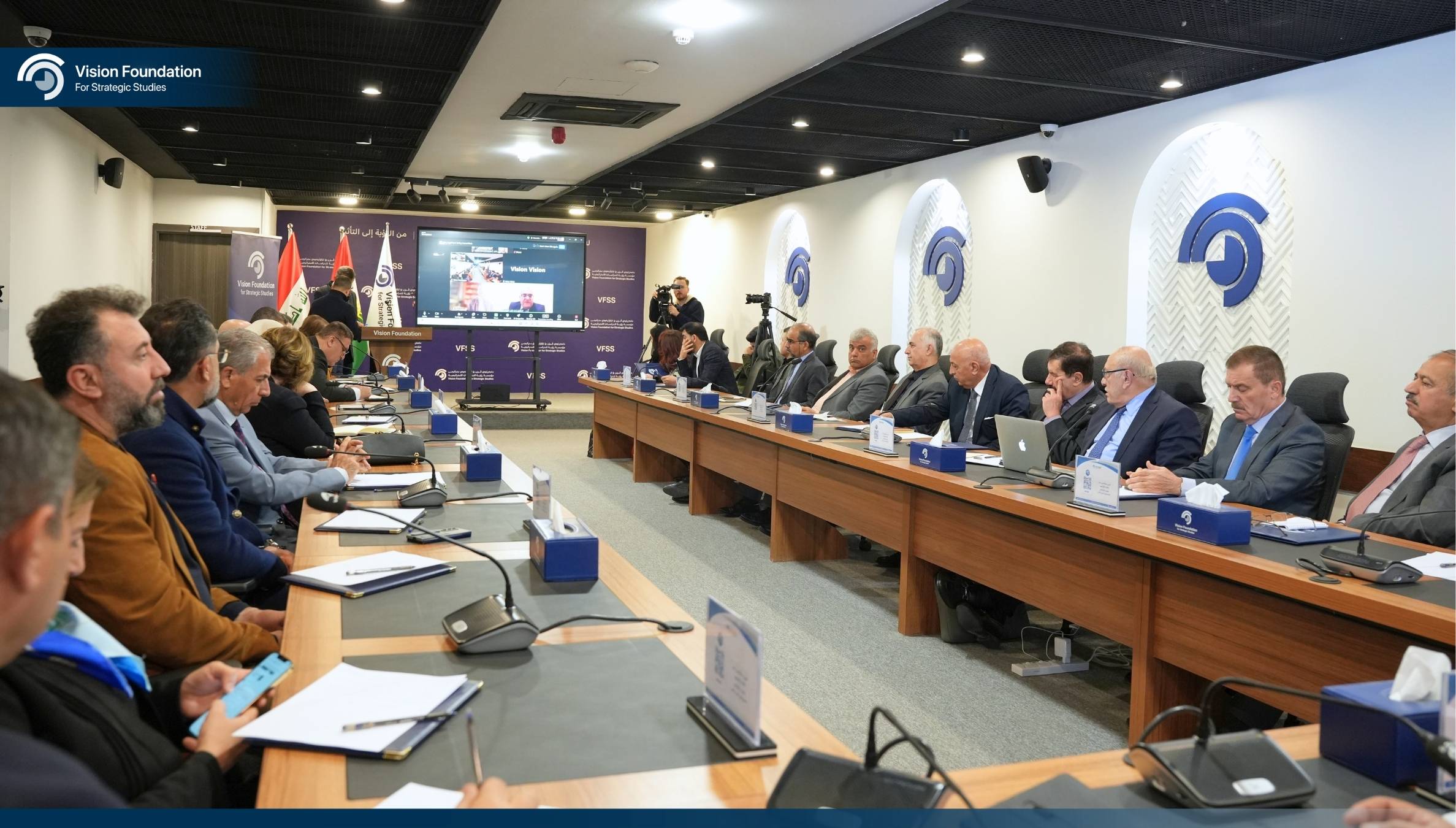
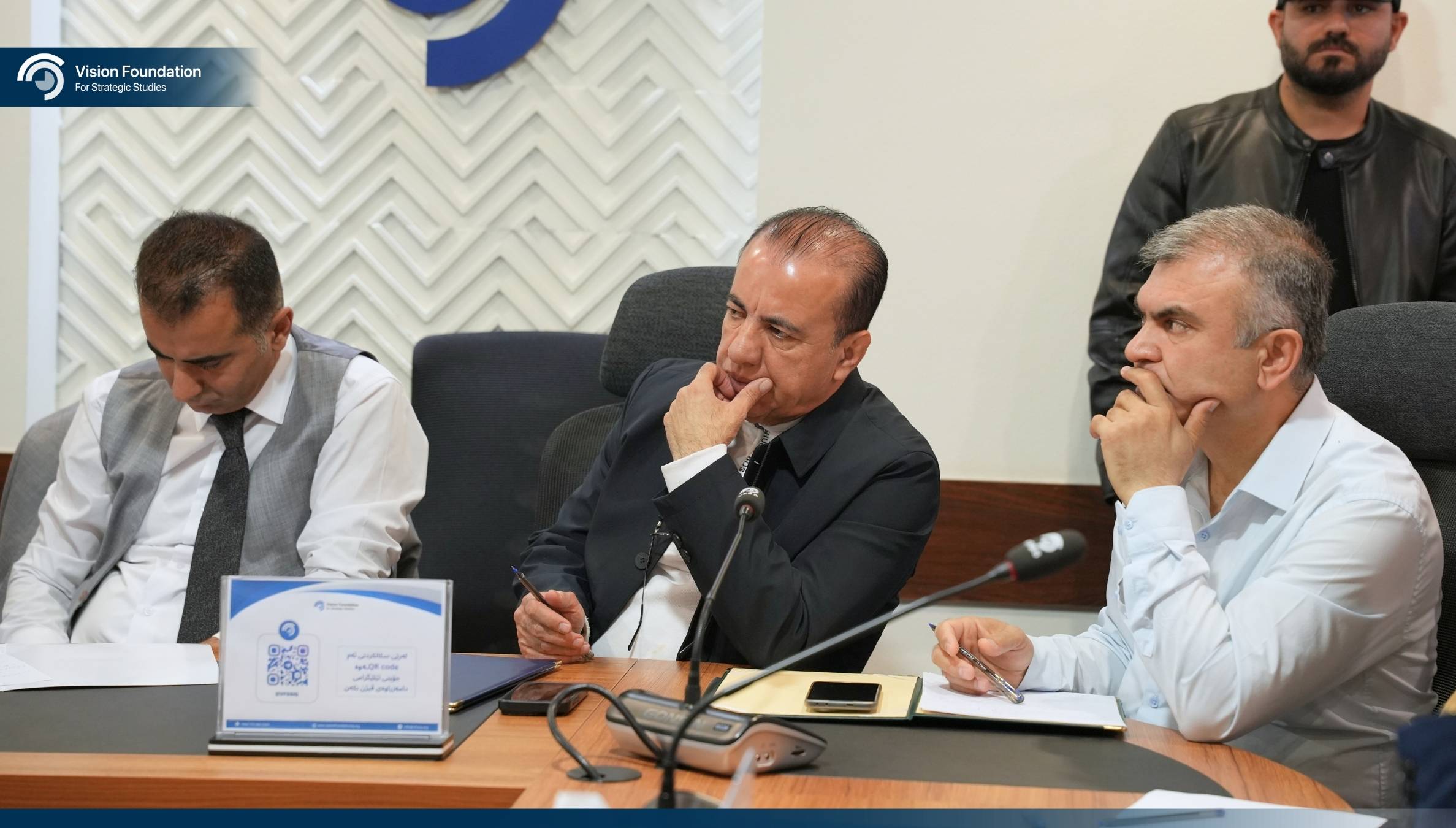
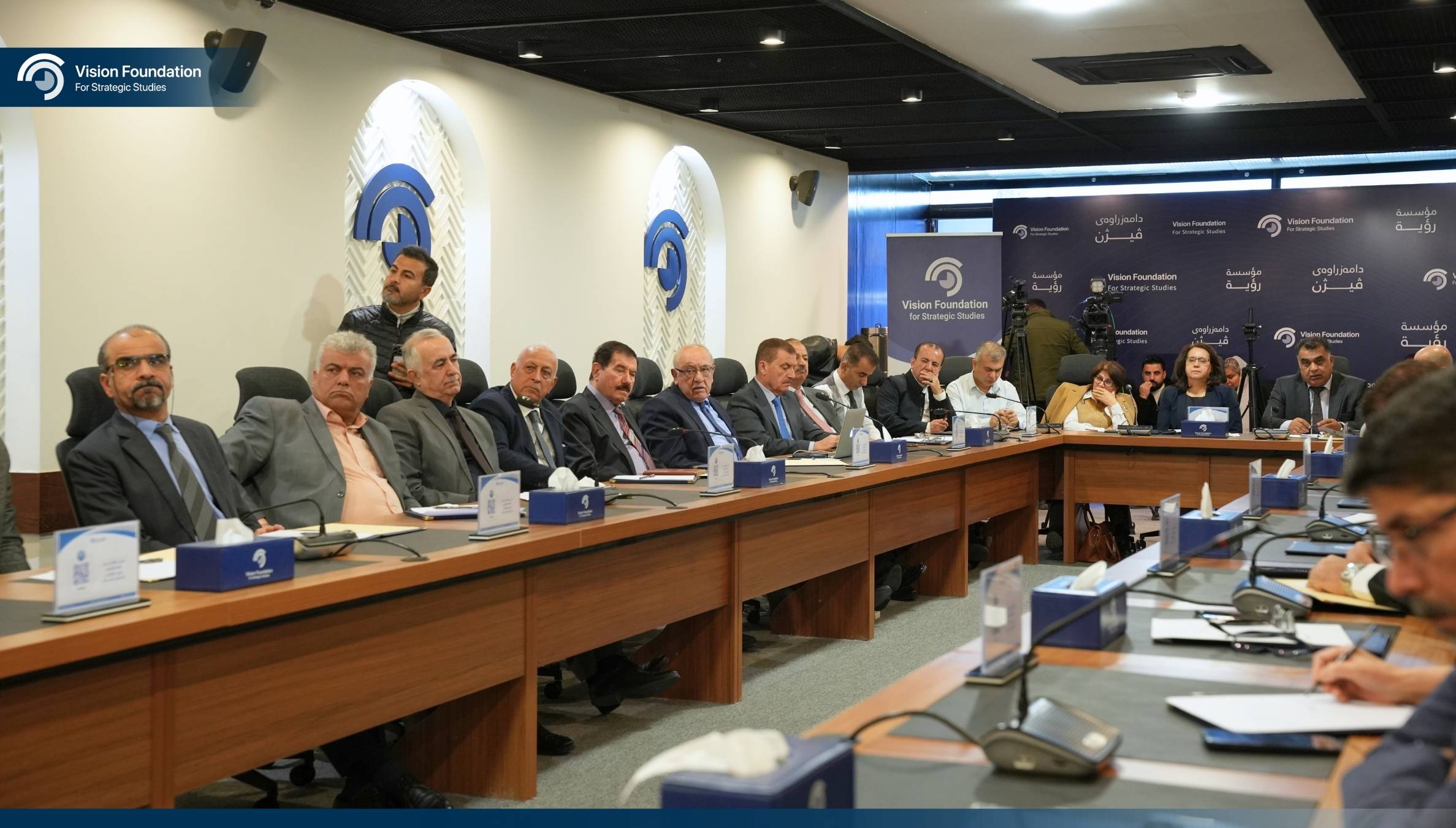
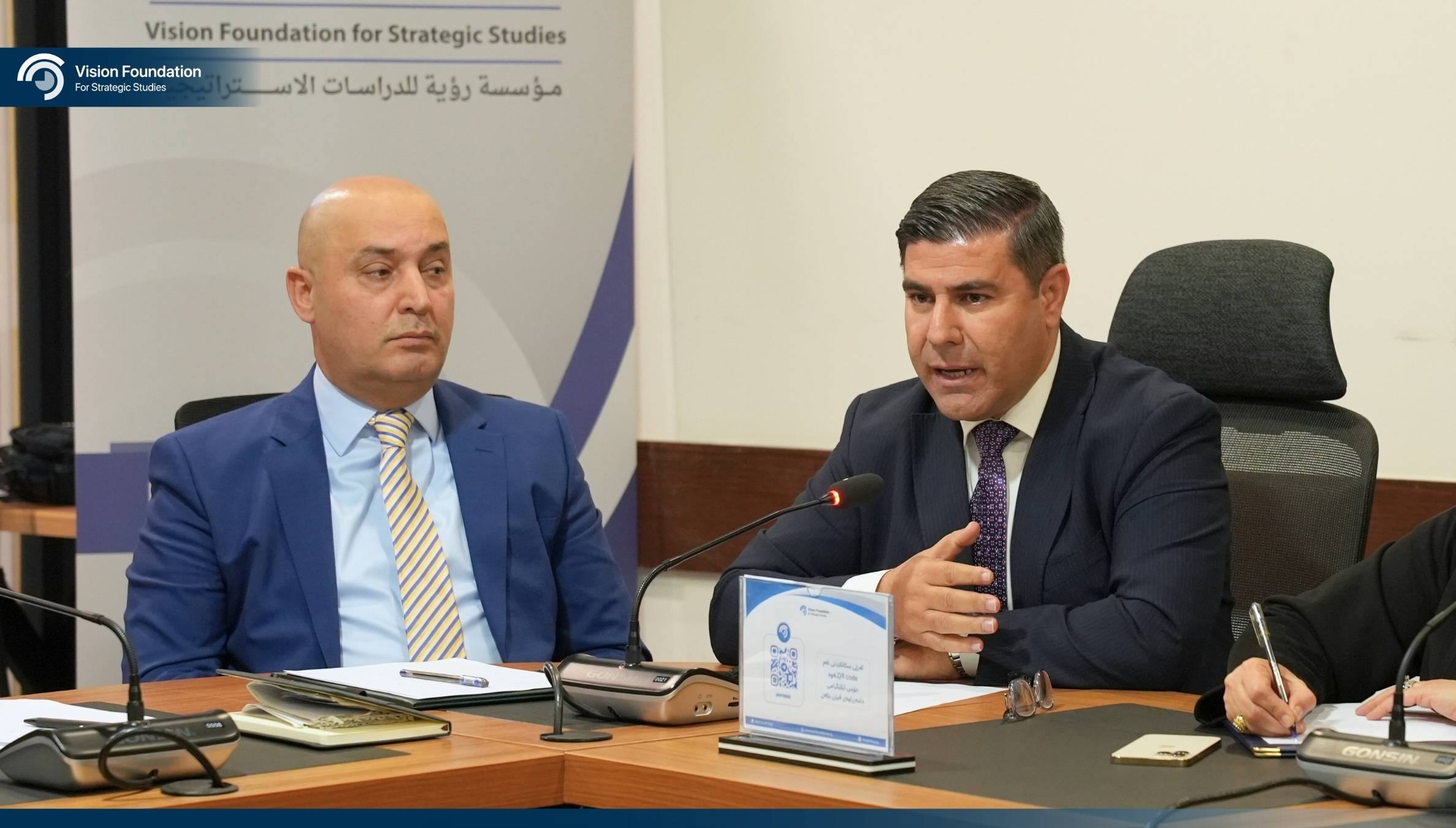
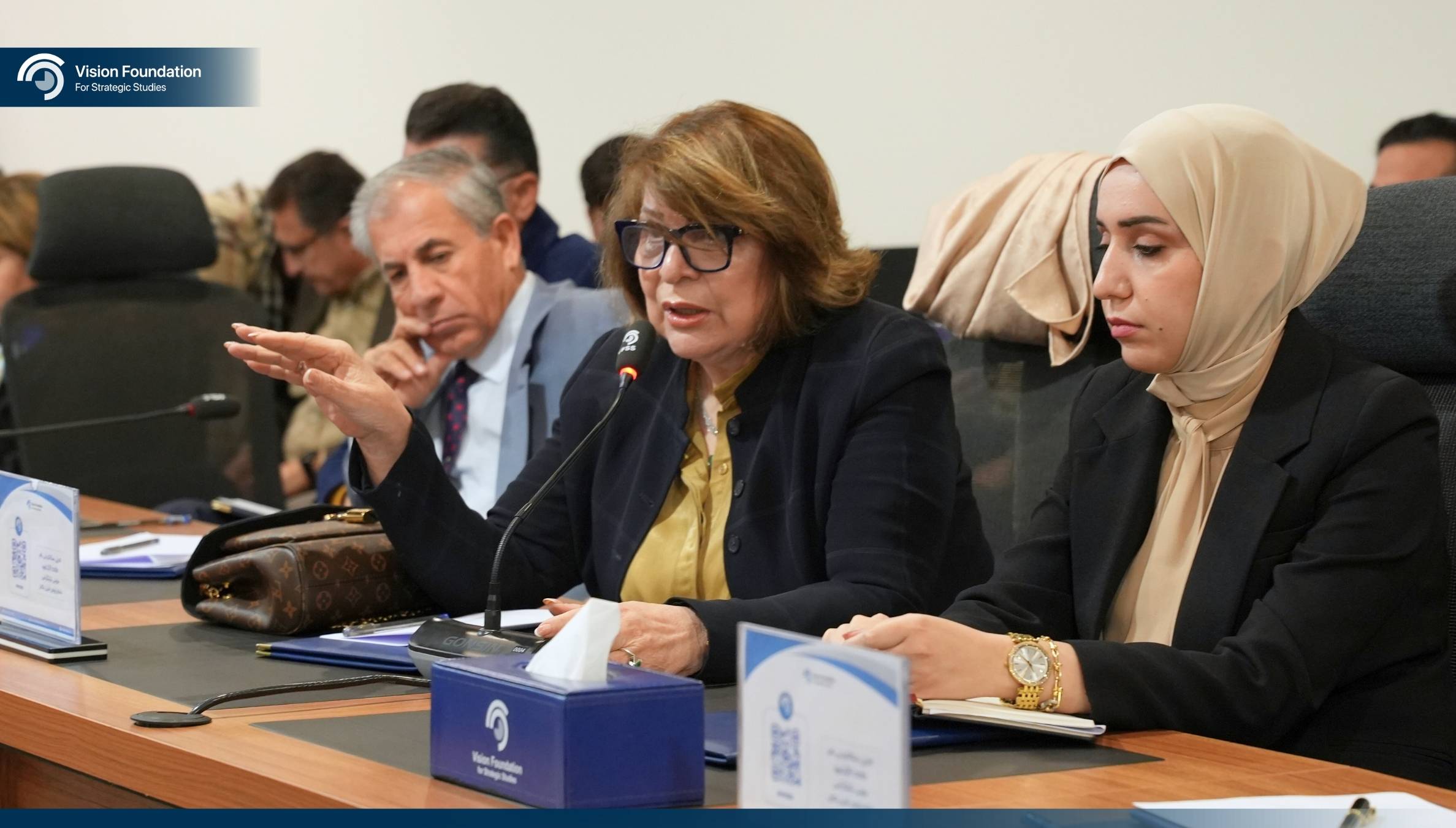
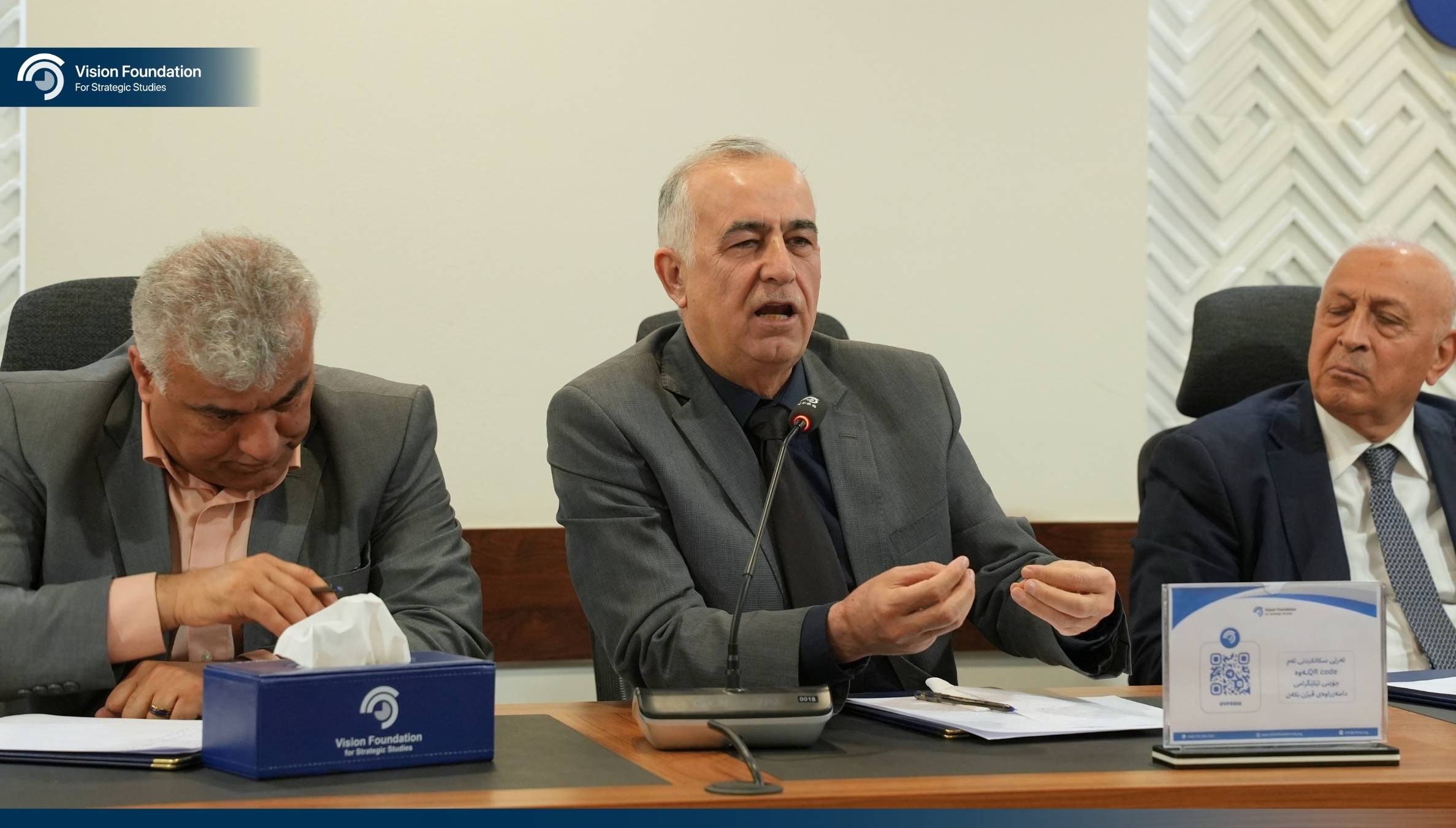
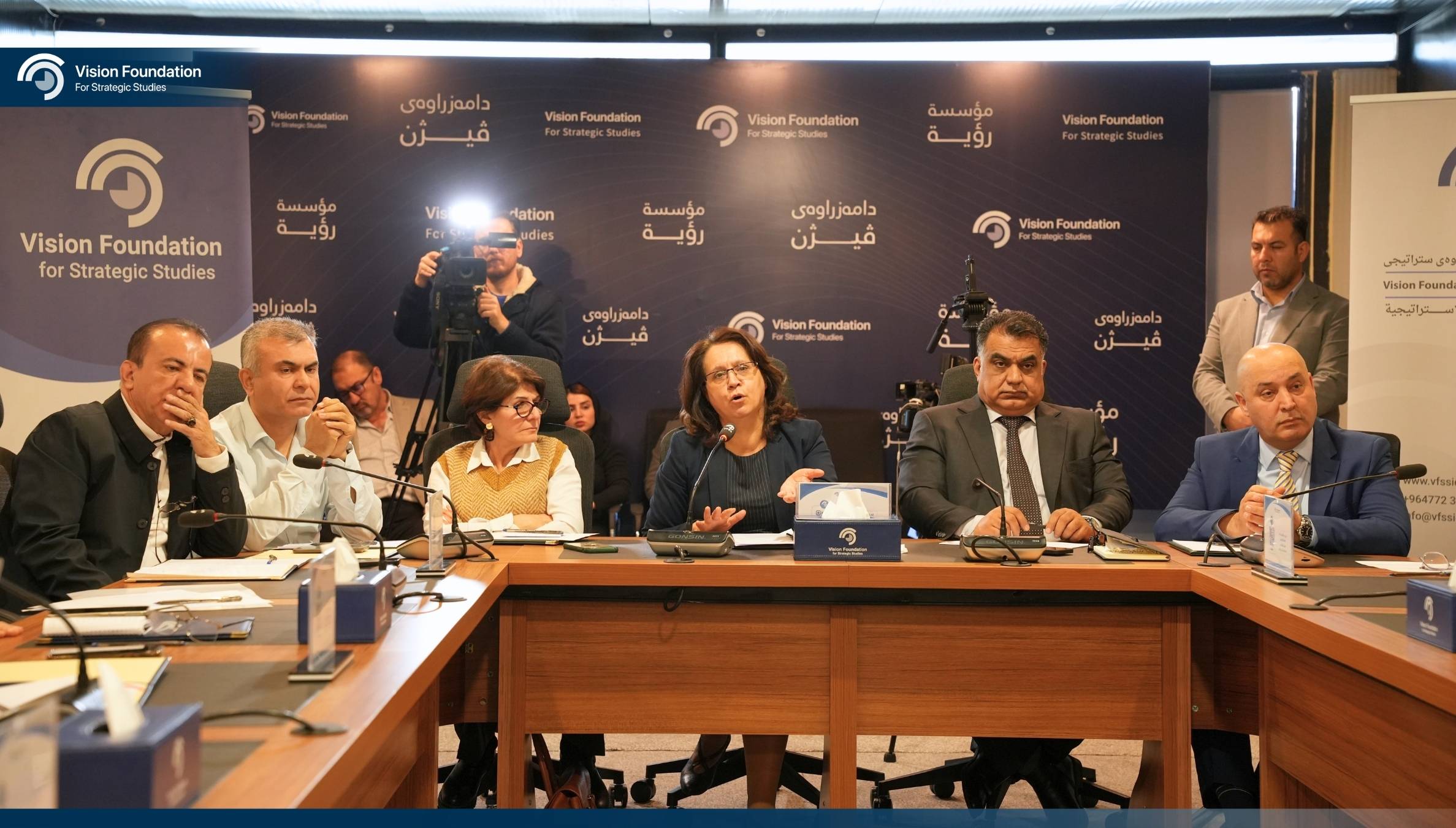
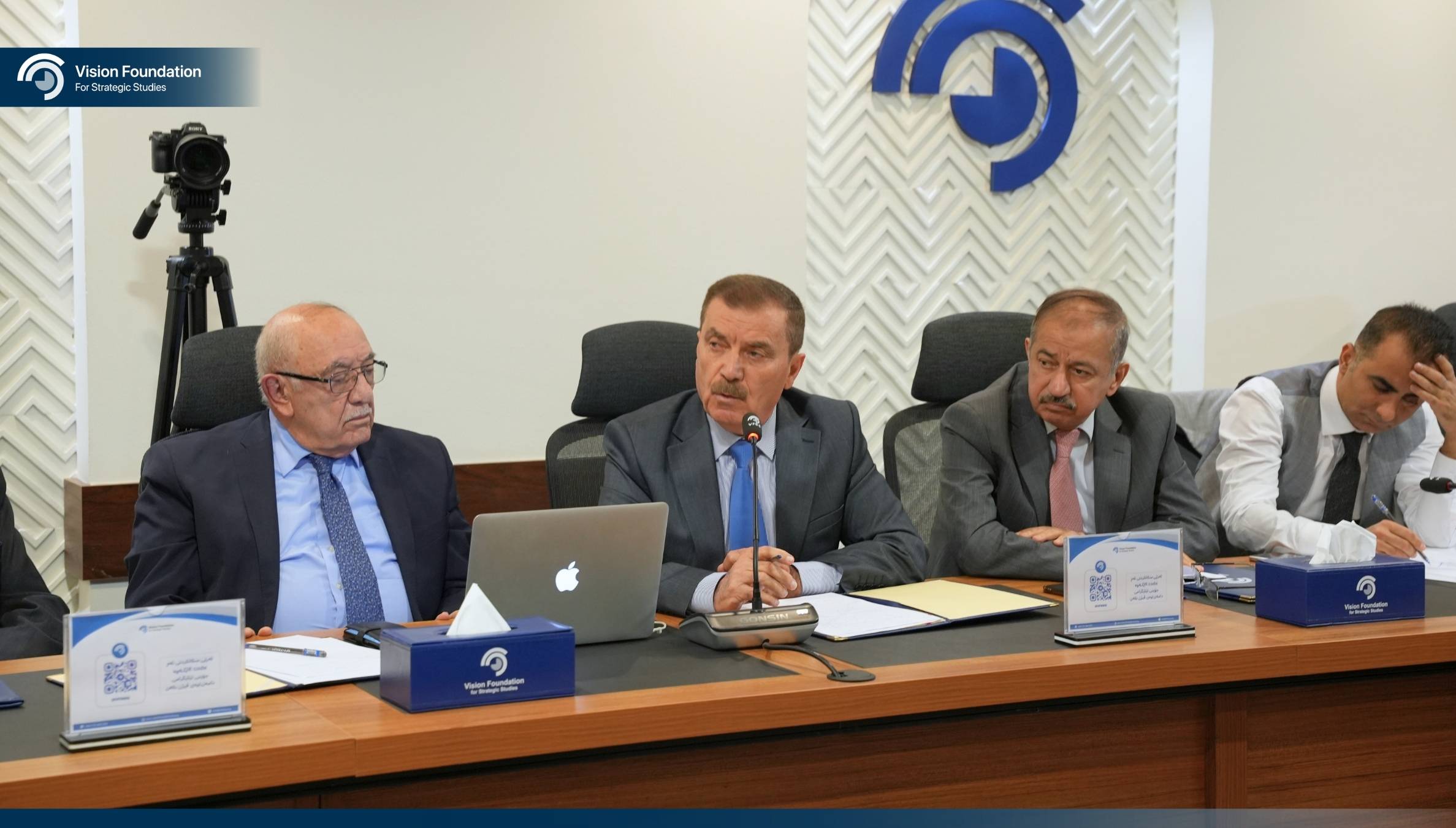
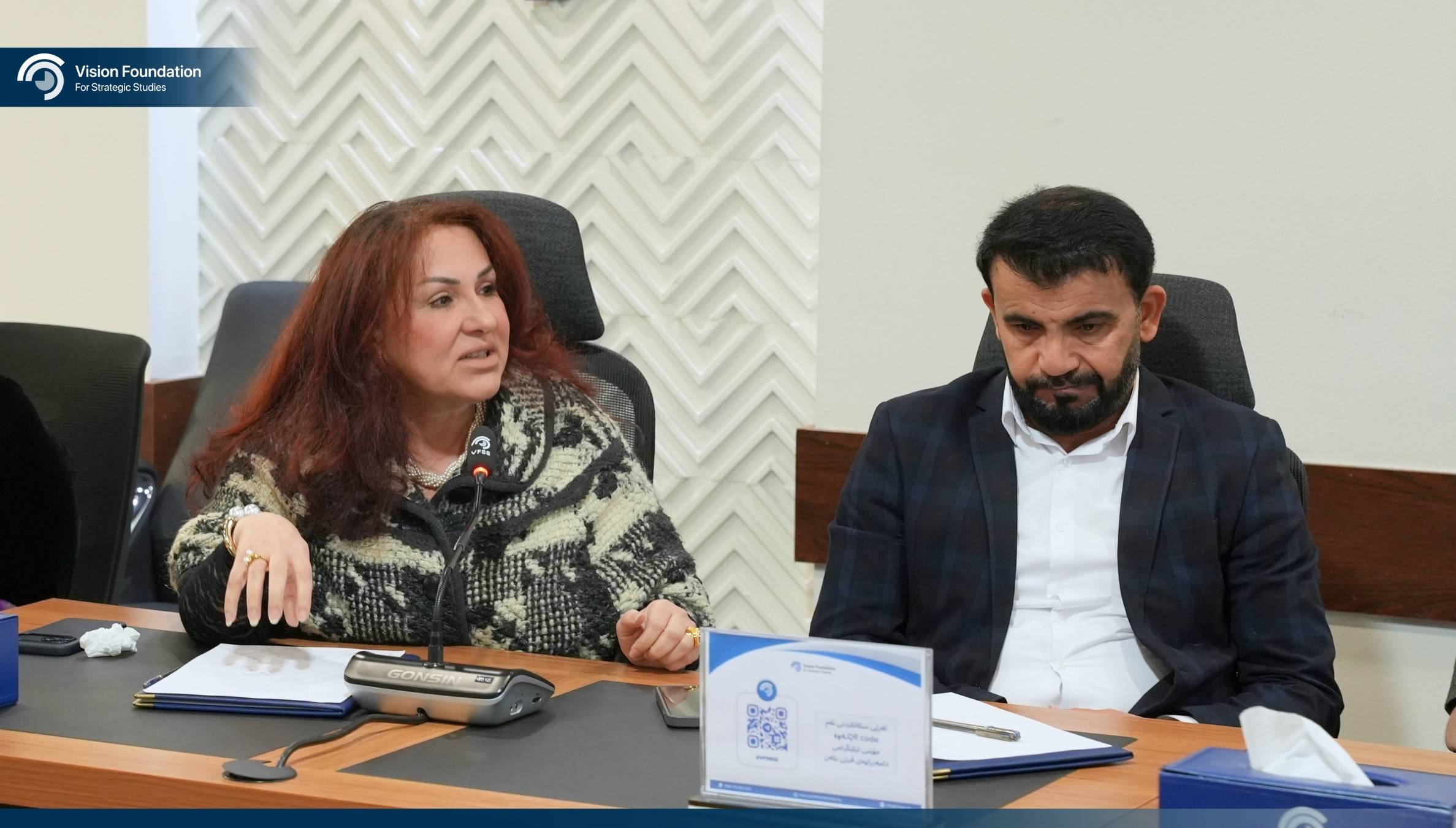
On March 12, 2026, the Vision Foundation for Strategic Studies held an open dialogue titled: “Iraq and the Kurdistan Region (Developments and Consequences of a U.S.–Israeli War Against Iran)”.
The discussion was attended by military and political experts and specialists, with the participation of several research centers, including Rawaq Center and Nahrain Center in Baghdad, the Rudaw Research Center in Erbil, and the Regional Studies Center at the University of Mosul, via Zoom.
During the dialogue, it was emphasized that the option of neutrality—currently discussed by Iraq and the Kurdistan Region—remains largely within the realm of official statements, as Iraq and the Kurdistan Region could be drawn into such a war regardless of their will.
At the same time, participants stressed the importance of protecting Iraq and the Kurdistan Region by preserving international relations and working to position them as a space for solutions and mediation rather than hostility toward any country.
Another issue discussed during the Vision Foundation dialogue was the economic impact of such a war. It was noted that Iraq is already facing economic fragility, and if the closure of the Strait of Hormuz continues for an extended period, Iraq could face a serious economic catastrophe.



Share